
a wise Mesopotamian hero and the central figure of the Old Babylonian Epic of Atrahasis
Atrahasis
Primary Text References


Atrahasis: Wise Man
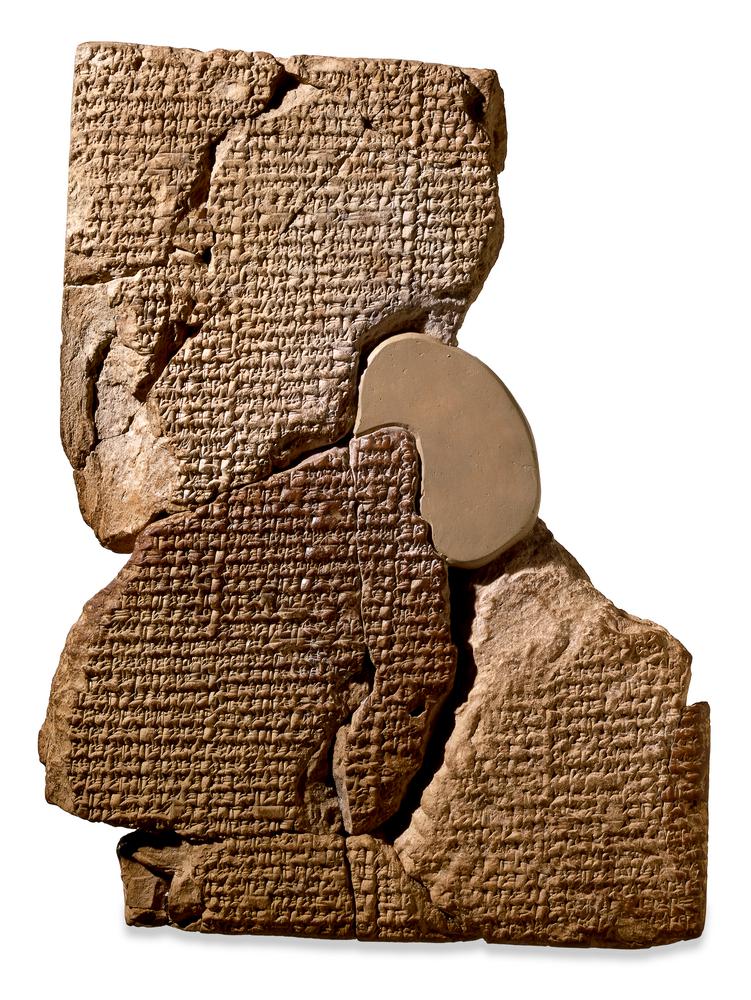
Atrahasis is a wise Mesopotamian hero and the central figure of the Old Babylonian Epic of Atrahasis (ca. 17th century BCE), which explains humanity’s creation, the gods’ discontent with humankind, and the Great Flood sent to destroy it. The tale profoundly influenced later flood narratives, including the Epic of Gilgamesh and the biblical story of Noah.
Key facts
Culture: Akkadian/Babylonian (Old Babylonian period)
Name meaning: “Exceedingly wise” or “extra wise”
Date of composition: ca. 1700 BCE; reign of Ammi-Saduqa
Source tablets: British Museum and Assyrian copies
Parallel figures: Ziusudra (Sumerian), Utnapishtim (Akkadian), Noah (Hebrew Bible)
Creation and divine revolt
The poem opens when lesser gods, weary of laboring on earth, rebel against their overlords. To relieve them, the mother goddess Nintu (also called Mami) fashions humankind from clay mixed with the blood of a slain god, imbuing people with divine spirit. Humanity’s purpose is to assume the toil once borne by the gods.
The Flood narrative
As human population multiplies and their noise disturbs the chief god Enlil, he unleashes successive calamities—plague, famine, drought—and finally a deluge to silence them. The god of wisdom, Enki (Ea), secretly warns Atrahasis through a reed wall to build a sealed boat, stock it with animals and kin, and preserve life. The flood rages for seven days; afterward Atrahasis offers sacrifices, and the hungry gods gather “like flies” over his offering.
Aftermath and meaning
Recognizing their dependence on humankind, the gods decree limits on fertility, mortality, and social roles to prevent renewed overpopulation. The epic thus explains death, childbirth loss, and priestly celibacy as divine measures maintaining cosmic balance.
Legacy and influence
The Atrahasis tablets provide the earliest complete Mesopotamian flood myth and served as the prototype for later retellings: Utnapishtim’s episode in Gilgamesh Tablet XI and the Genesis account of Noah. Scholars view it as a reflection on suffering, divine justice, and humanity’s place between earth and the divine order.
Sources:
• Atrahasis by Anonymous – Mesopotamian Mythology | Mythic Remembering
• Atrahasis | Super String Universe Wiki | Fandom
• Myth of Atrahasis | Babylonian mythology | Britannica
• Atrahasis » World history
• The Atrahasis Epic: The Great Flood & the Meaning of Suffering – World History Encyclopedia
• Atrahasis – The Ancient Connection
• The Great Flood: Atrahasis – Livius
• Atrahasis – Deity – OMNIKA Mythology
• Atra-Hasis – New World Encyclopedia
• Atrahasis – Bible Odyssey