
The largest and most influential city of the ancient Assyrian Empire
Nineveh
Primary Text References
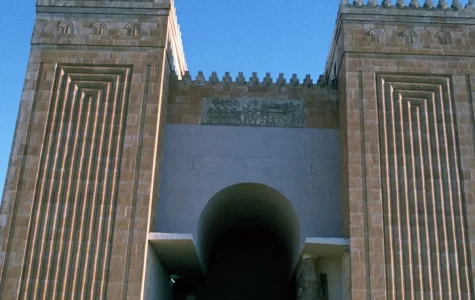
Nineveh
Nineveh was the largest and most influential city of the ancient Assyrian Empire, located on the eastern bank of the Tigris River, opposite modern Mosul, Iraq. It flourished as the Assyrian capital in the 7th century BCE under kings Sennacherib and Ashurbanipal, serving as a political, cultural, and artistic center of the ancient Near East.
Key facts
Location: East bank of the Tigris River, near Mosul, Iraq
Founded: ca. 7th millennium BCE (Neolithic origins)
Peak period: Neo-Assyrian Empire, c. 705–612 BCE
Area: about 700–775 hectares within 12 km walls
Destroyed: 612 BCE by Babylonian and Median coalition
Origins and Growth
Settlement at Nineveh dates back to the 7th millennium BCE, with early shrines to the goddess Ishtar. By 3000 BCE, it had become a major urban and religious hub. Its strategic position at the junction of north–south and east–west trade routes fostered prosperity and cultural exchange across Mesopotamia.
The Neo-Assyrian Capital
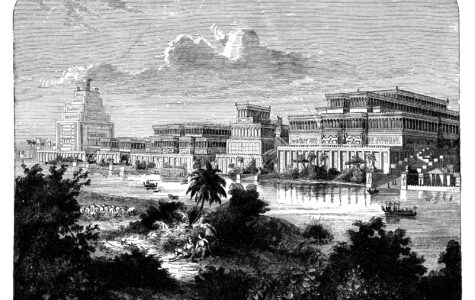
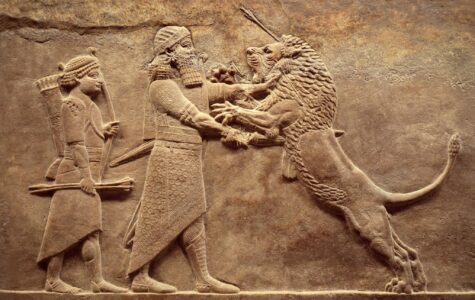


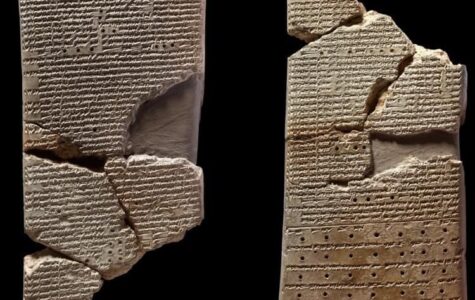
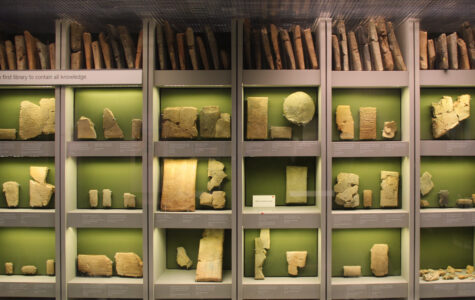
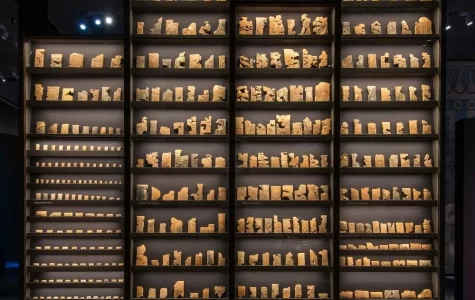
King Sennacherib (r. 705–681 BCE) transformed Nineveh into a magnificent metropolis, building the vast “palace without a rival,” extensive gardens, and an 18-canal water system—possibly the inspiration for the legendary Hanging Gardens. His successors, Esarhaddon and Ashurbanipal, expanded the city and established the Library of Ashurbanipal, whose 20,000+ cuneiform tablets preserve much of Mesopotamian literature, science, and mythology.
Layout and Architecture
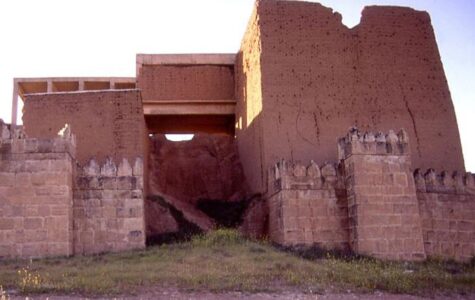
The city was enclosed by 12 kilometers (7.5 miles) of fortified walls pierced by 15 monumental gates, such as the Nergal and Shamash Gates. Its acropolis (Quyunjik mound) and southern sector (Nebi Yunus) held royal palaces, temples to Ishtar and Nabu, and arsenals. Elaborate stone reliefs and winged bull colossi (lamassu) symbolized Assyrian might and divine protection.
Fall and Rediscovery
In 612 BCE, a coalition of Babylonians and Medes destroyed Nineveh, ending Assyrian rule. The site lay buried for centuries until 19th-century excavations by Austen Henry Layard and Hormuzd Rassam revealed its palaces and library. Today, Nineveh’s ruins near Mosul remain a UNESCO World Heritage candidate and a vital archaeological record of Mesopotamian civilization, despite modern damage from conflict and urban encroachment.
Sources:
• Nineveh summary | Britannica
• Nineveh | History, Map, & Significance | Britannica
• Nineveh – Assyrian Capital, Ruins, Archaeology | Britannica
• Nineveh, Iraq | UNESCO Chair in ICT to develop and promote sustainable tourism in World Heritage Sites
• Nineveh – World History Encyclopedia
• Nineveh – World History Encyclopedia
• Nineveh | Heritage of the Middle East
• Nineveh, a Major Archaeological Site facing Mosul | Mosul Cultural Museum
• The ancient city of Nineveh between the past and the present | Kufa Journal of Arts
• Nineveh | The Institute for Creation Research