
University of Oxford’s museum of art and archaeology, established in 1683 and recognized as the world’s first university museum.
Ashmolean Museum
Primary Text References
Ashmolean Museum
The Ashmolean Museum is the University of Oxford’s museum of art and archaeology, established in 1683 and recognized as the world’s first university museum. Its collections such as Sumerian Cuneiform tablets that span global cultures and millennia, describing from ancient Egypt and classical antiquity to modern and contemporary art. Admission is free, making it a leading public institution for education, research, and cultural engagement.
Key facts
Founded: 1683
Location: Beaumont Street, Oxford, England
Affiliation: University of Oxford (GLAM group)
Director: Dr. Xa Sturgis
Admission: Free
Origins and development
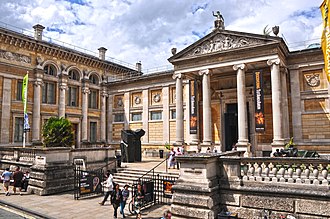
The Ashmolean was founded to house the collection of Elias Ashmole, largely inherited from John Tradescant’s “Ark,” a 17th-century cabinet of curiosities. Designed by Thomas Wood, the original building on Broad Street became Britain’s first public museum. In the 19th century, a neoclassical structure by architect Charles Robert Cockerell opened on Beaumont Street, where the museum remains today.
Collections and research
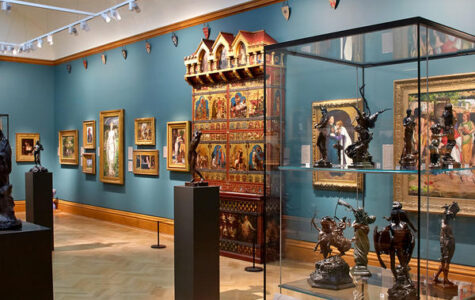
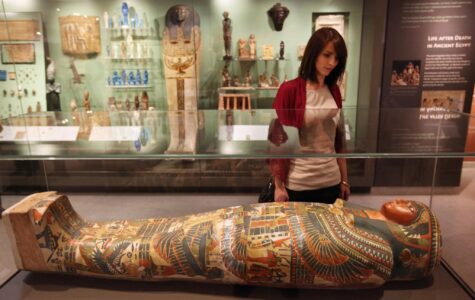
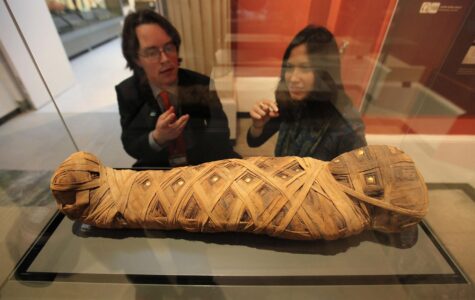
The museum holds more than 300,000 objects illustrating global human creativity. Highlights include ancient Egyptian antiquities, Greek and Roman sculpture, Islamic art, Renaissance drawings, Pre-Raphaelite paintings, and the Alfred Jewel. It also houses the Heberden Coin Room and the Griffith Institute for Egyptology. The Ashmolean’s collections underpin University of Oxford teaching across disciplines from archaeology to art history.
Public engagement and exhibitions
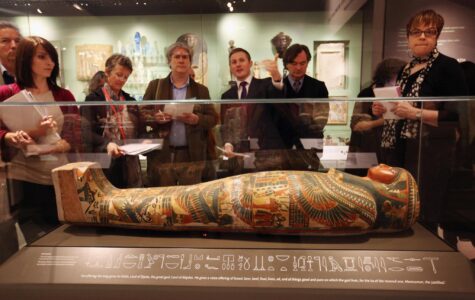
The museum runs diverse programs including LiveFriday events—late-night openings with performances, talks, and workshops—and international exhibitions. It offers family trails, public lectures, and community outreach, emphasizing inclusion and accessibility. Its mission is to share human stories across cultures and time through innovative, research-driven interpretation.
Architecture and recent projects
Cockerell’s 1840s neoclassical building was extensively redeveloped in 2009 with a modern extension by architect Rick Mather, improving gallery space and visitor facilities. Further gallery renewals, including 19th-century art and ancient Egypt and Nubia displays, have sustained the museum’s role as a premier center of art and archaeology.