
Wisdom, Creation, and the Divine Order
Enki — called Ea in Akkadian
Primary Text References
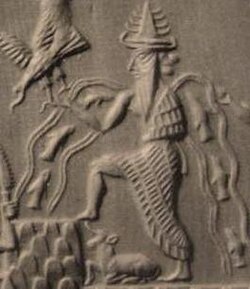
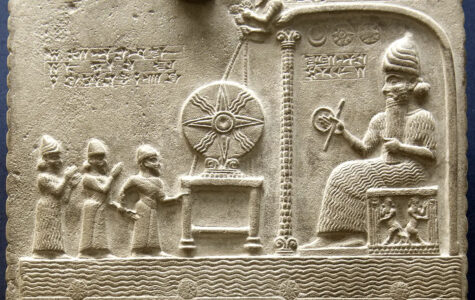
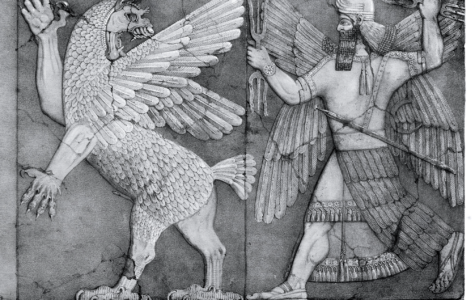
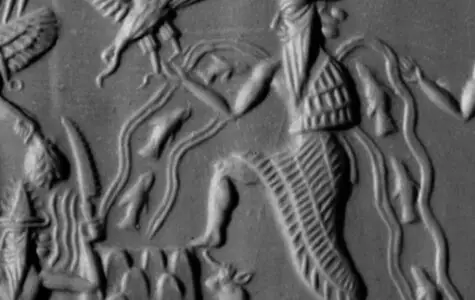
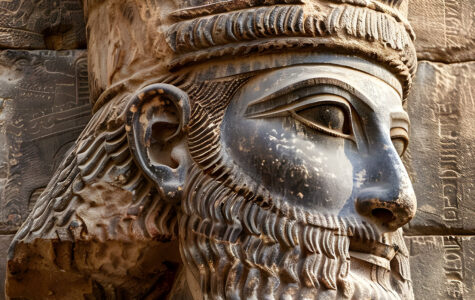
Enki — called Ea in Akkadian — is the Sumerian god of wisdom, fresh water, magic, crafts, and creation. Revered as “Lord of the Earth,” he ruled the Abzu, the subterranean freshwater ocean believed to nourish all life. His benevolence and intelligence made him one of the most important deities of ancient Mesopotamia, shaping both nature and civilization.
Key facts
Domain: Wisdom, fresh water, creation, magic, crafts
Cult center: Eridu, temple E-Abzû
Symbols: Goat-fish, flowing water, horned crown
Consort: Ninhursag (also called Damgalnuna)
Major myths: Enki and the World Order, Enki and Ninhursag, Atrahasis, Enuma Elish
Role and attributes
Enki presided over water, fertility, and knowledge. As a member of the divine triad with Anu and Enlil, he mediated between gods and humanity. His wisdom expressed itself through ingenuity rather than power; he resolved conflicts by counsel and magic. In art, Enki appears as a bearded god with streams—often representing the Tigris and Euphrates—flowing from his shoulders, symbolizing life’s abundance.
Myths and deeds
Enki’s myths portray him as creator and savior. In Atrahasis, he shapes humans from clay to relieve the younger gods of toil and later warns the hero Atrahasis of a divine flood, ensuring humanity’s survival. In Enki and the World Order, he establishes civilization by assigning roles to gods, lands, and cities, spreading order and prosperity. Other tales, such as Inanna and Enki, highlight his generosity and cunning in sharing divine powers (me) with humankind.
Worship and influence
Enki’s principal sanctuary, the E-Abzû (“House of the Deep Waters”), stood in Eridu, regarded as the first city. Excavations trace its shrines back to about 5400 BCE, marking one of the earliest continuous cults in Mesopotamia. Rituals honored him as patron of exorcists, artisans, and sages. His attributes later merged with those of Ea in Babylonian religion, influencing deities such as Marduk and shaping Near Eastern and even biblical creation traditions.
Legacy
Across millennia, Enki embodied creative intelligence and compassion—the god who preferred wisdom over wrath. His myths conveyed the Sumerian vision of balance between divine order and human survival, and his iconography, including the goat-fish symbol, endured into the zodiac sign Capricorn, preserving his image as a life-giving lord of the waters.
Sources:
• Enki Sumerian God Of The Abyss | World Mythology
• Enki And The World Order | World Mythology
• Enki And The World Order | World Mythology
• Enki (Ea) – Ancient Near East
• Enki | Mythosjourney
• Enki: Creator, god of wisdom, water, crafts, and creation; a central figure among the Anunnaki | Mythical Legend
• Why is Enki so important to Sumerian Mythology
• Enki – World History Encyclopedia
• Enki – Sumerian God
• Enki God of Water Lord of The Earth — Dark ChamberZ Temple of Knowledge