
Deities in Ancient Mesopotamian Traditions
Anunnaki
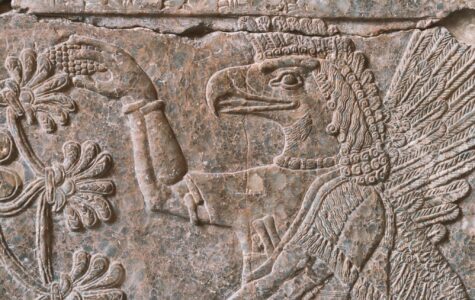
Anunnaki
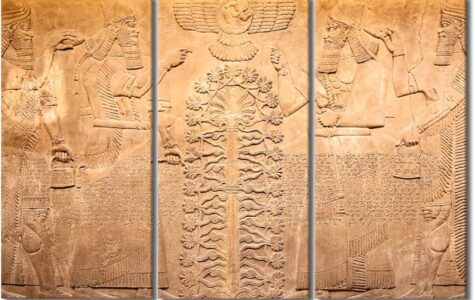
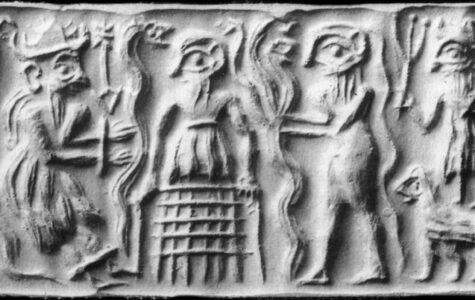
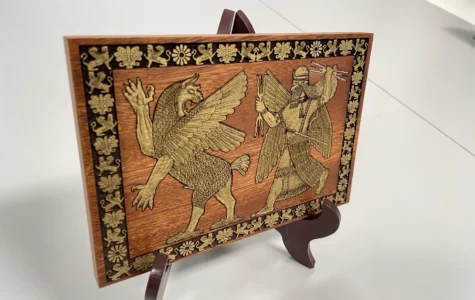
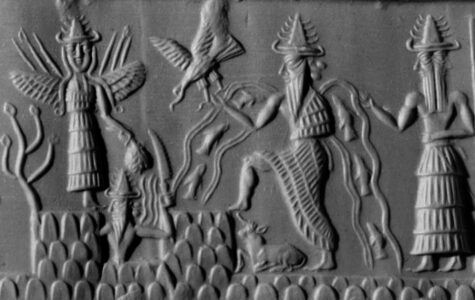
The Anunnaki are a group of deities in ancient Mesopotamian mythology, particularly within the Sumerian, Akkadian, Assyrian, and Babylonian traditions. They were believed to be powerful gods associated with the creation of humanity, the underworld, and cosmic order. Their myths influenced later religious and cosmological ideas across the Near East.
Key facts
Origin: Sumerian civilization (c. 3rd millennium BCE)
Primary domains: Creation, fertility, judgment, underworld
Principal deities: Anu, Enlil, Enki, Ninhursag
Cultural reach: Sumerian → Akkadian → Babylonian → Assyrian traditions
Modern relevance: Often cited in pseudoscientific and alternative-history theories
Mythological Background
The name “Anunnaki” derives from Anu (sky god) and a term meaning “offspring” or “princes,” identifying them as the progeny of Anu. Early Sumerian texts depict them as divine judges who determined human destinies. Over time, the Anunnaki came to represent a pantheon overseeing both heaven and the underworld, often numbering seven chief gods.
Role in Mesopotamian Cosmology
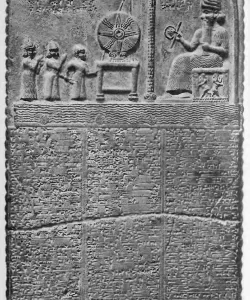
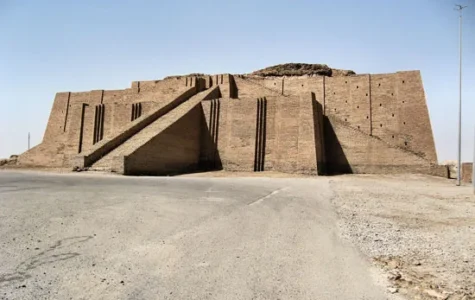
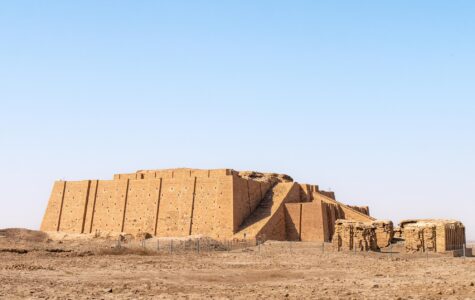
In Sumerian belief, the universe was divided among the major gods: Anu (sky), Enlil (air/earth), and Enki (waters). The Anunnaki served as intermediaries governing natural and moral order. Some myths locate them in the netherworld, where they judged the dead. In Babylonian epics such as the Enuma Elish, their role shifted toward cosmic administration under the chief god Marduk.
Evolution Through Cultures
The concept of the Anunnaki evolved with each Mesopotamian empire. The Akkadians adapted them as divine counselors, while in later Assyrian and Babylonian theology they merged with other divine collectives like the Igigi. This adaptability reflects the fluidity of Mesopotamian religious structures, where local deities were absorbed into broader pantheons.
Modern Interpretations
Since the 20th century, the Anunnaki have been reinterpreted in speculative literature and fringe theories—most notably by authors like Zecharia Sitchin—who claimed they were ancient extraterrestrials. Scholars reject these ideas, emphasizing the Anunnaki’s symbolic and theological role in ancient Near Eastern religion rather than any historical or extraterrestrial reality.