
Founded in 1753, renowned for its global collections spanning over two million years of civilization.
British Museum
British Museum
The British Museum is a major public institution in London, England, dedicated to human history, art, and culture. Founded in 1753, it is one of the world’s oldest and most comprehensive museums, renowned for its global collections spanning over two million years of civilization, including Sumerian Cuneiform tablets.
Key facts
Founded: 1753
Location: Great Russell Street, London, UK
Opened to public: 1759
Collection size: About 8 million objects
Architectural style: Neoclassical; central Great Court by Foster + Partners
Origins and mission
The museum was established largely from the collection of physician and naturalist Sir Hans Sloane, whose bequest to the nation included around 71,000 objects. It was intended as a public museum of learning and free access, embodying Enlightenment ideals of universal knowledge. The institution continues to emphasize education and global cultural understanding.
Collections and highlights
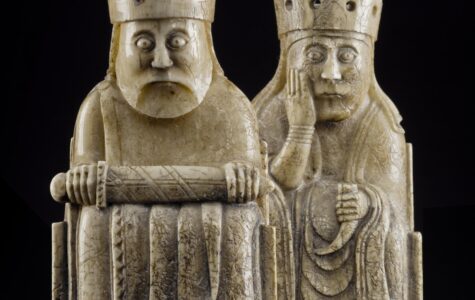
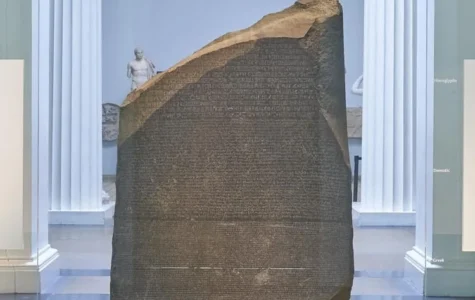
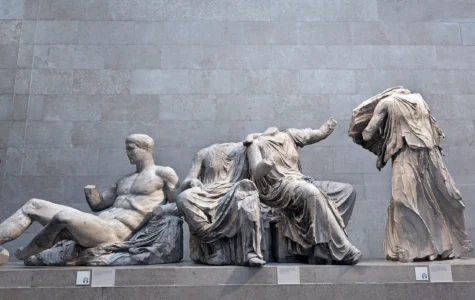
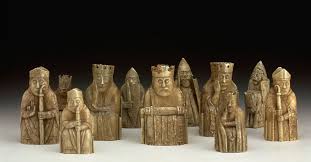
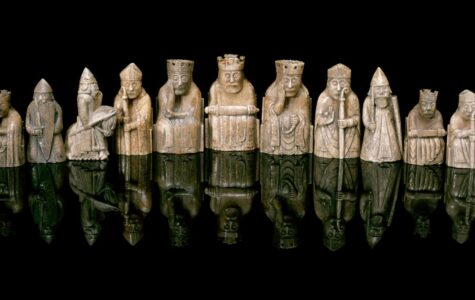
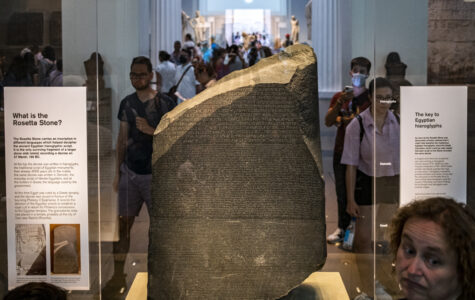
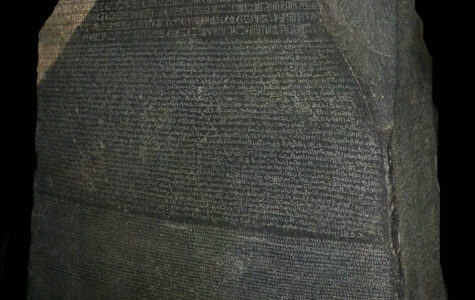
The British Museum’s collections cover archaeology, ethnography, and art from every continent. Iconic holdings include the Rosetta Stone, the Parthenon Marbles, the Egyptian mummies, the Lewis Chessmen, and Assyrian reliefs. These objects make the museum a central reference point for the study of world civilizations.
Architecture and layout
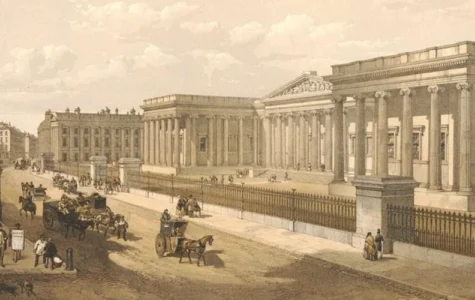
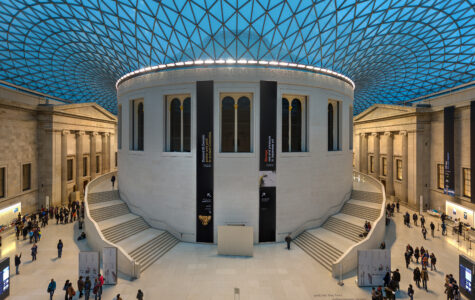
The museum’s main building in Bloomsbury was designed by Sir Robert Smirke in the Greek Revival style. Its most striking modern addition is the glass-roofed Great Court, opened in 2000, which transformed the central Reading Room area into the largest covered public square in Europe.
Controversies and cultural debates
The museum has been at the center of debates over cultural property and repatriation, particularly concerning artifacts such as the Parthenon Marbles and the Benin Bronzes. Discussions continue regarding ownership, colonial history, and the ethics of display in a global museum context.
Governance and public engagement
Operated as a non-departmental public body, the British Museum is governed by a board of trustees and funded primarily by the UK government. It remains free to enter and welcomes millions of visitors annually, combining exhibition, conservation, and digital scholarship to broaden global access to its collections.
Evolution Through Cultures
The concept of the Anunnaki evolved with each Mesopotamian empire. The Akkadians adapted them as divine counselors, while in later Assyrian and Babylonian theology they merged with other divine collectives like the Igigi. This adaptability reflects the fluidity of Mesopotamian religious structures, where local deities were absorbed into broader pantheons.
Modern Interpretations
Since the 20th century, the Anunnaki have been reinterpreted in speculative literature and fringe theories—most notably by authors like Zecharia Sitchin—who claimed they were ancient extraterrestrials. Scholars reject these ideas, emphasizing the Anunnaki’s symbolic and theological role in ancient Near Eastern religion rather than any historical or extraterrestrial reality.