
Ancient Mesopotamian Wisdom, Traditions, Religions, Stories & Writings
Sumerian Cuneiform Tablets
Sumerian Cuneiform Tablets
The Earliest Written Wisdom of Civilization
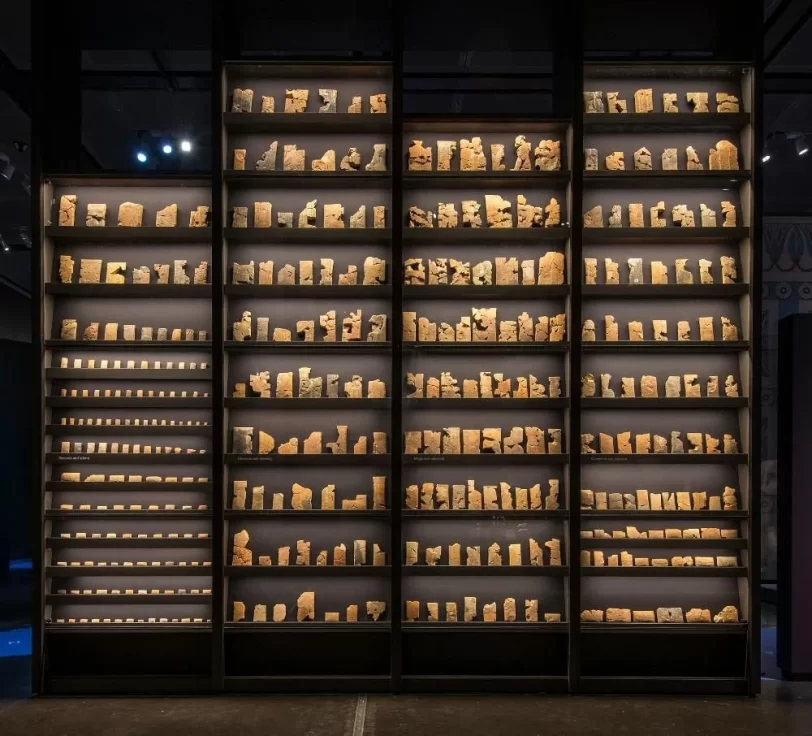
Have you ever paused to imagine the moment humanity first preserved knowledge in written form?
Long before paper, printing presses, or digital archives, ancient scribes pressed wedge-shaped symbols into clay tablets — creating the earliest known written records in human history.
These inscriptions, known today as Sumerian cuneiform tablets, offer a remarkable window into a world where spirituality, science, governance, and philosophy were already deeply intertwined.
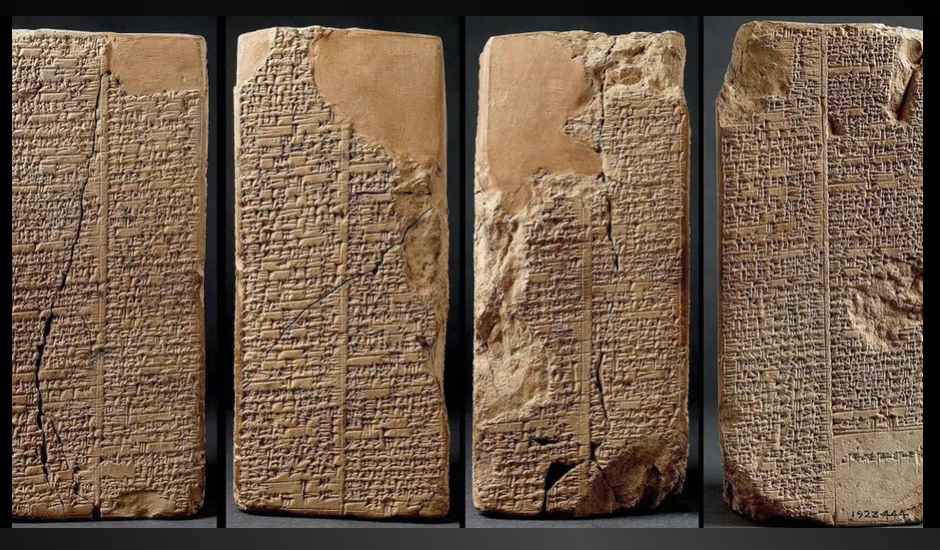
Across thousands of tablets discovered throughout Mesopotamia — modern-day Iraq and surrounding regions — historians have uncovered stories of creation, kingship, celestial observation, sacred rituals, and profound wisdom traditions.
Many of these ancient records reference a figure revered across Sumerian culture:
As you begin exploring these ancient texts, you may notice something fascinating: the deeper you look, the clearer it becomes that humanity’s earliest civilizations were already asking the same timeless questions we still explore today.
- Where did we come from?
- What is our purpose?
- And how exactly can knowledge elevate humanity?
What Are Sumerian Cuneiform Tablets?
Cuneiform is the oldest known writing system on Earth, emerging around 3400–3200 BCE in ancient Sumer, one of the earliest civilizations in human history.
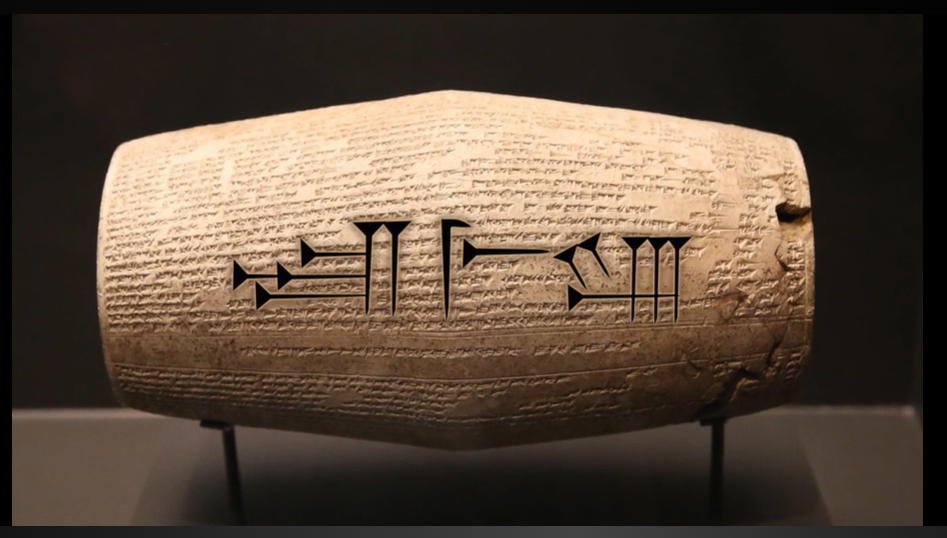
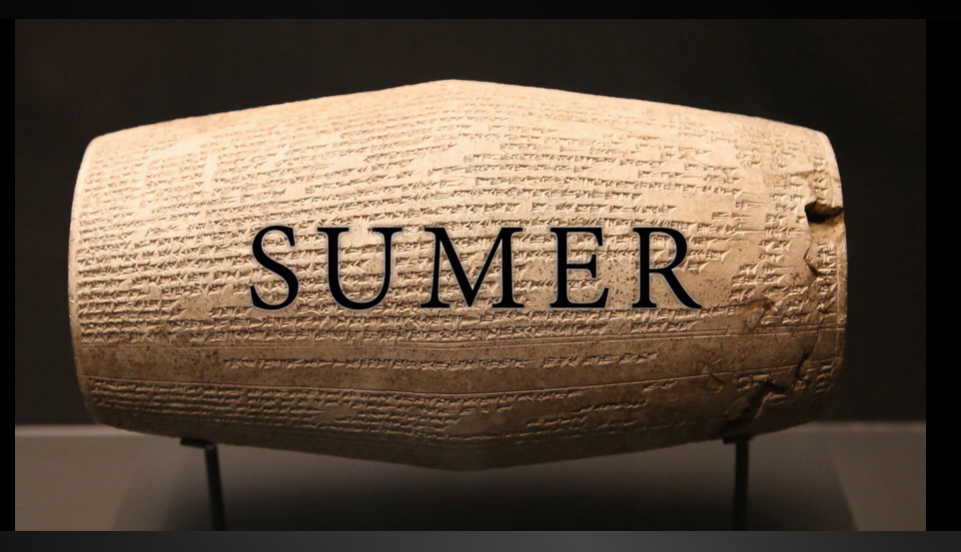
The word cuneiform comes from the Latin word cuneus, meaning wedge, referring to the wedge-shaped marks impressed into wet clay using a reed stylus.
These tablets served many purposes:
- Recording trade and economic transactions
- Preserving royal decrees and laws
- Documenting astronomy and mathematics
- Storing spiritual hymns and temple rituals
- Preserving epic stories about the origins of humanity
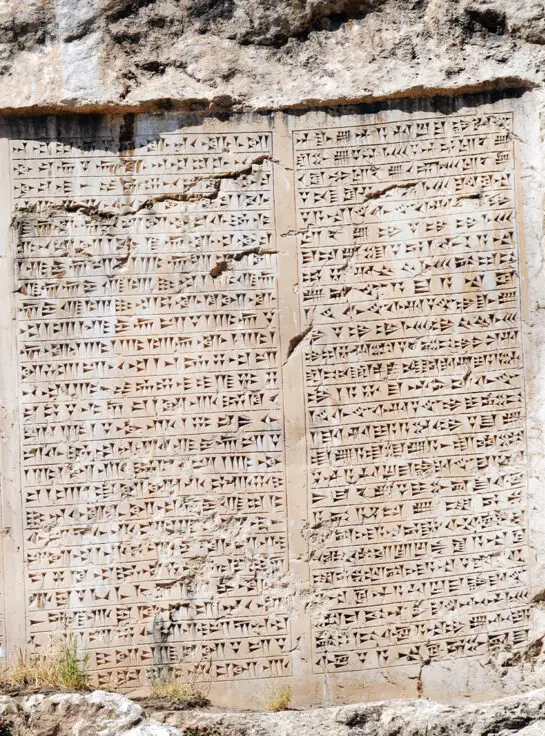
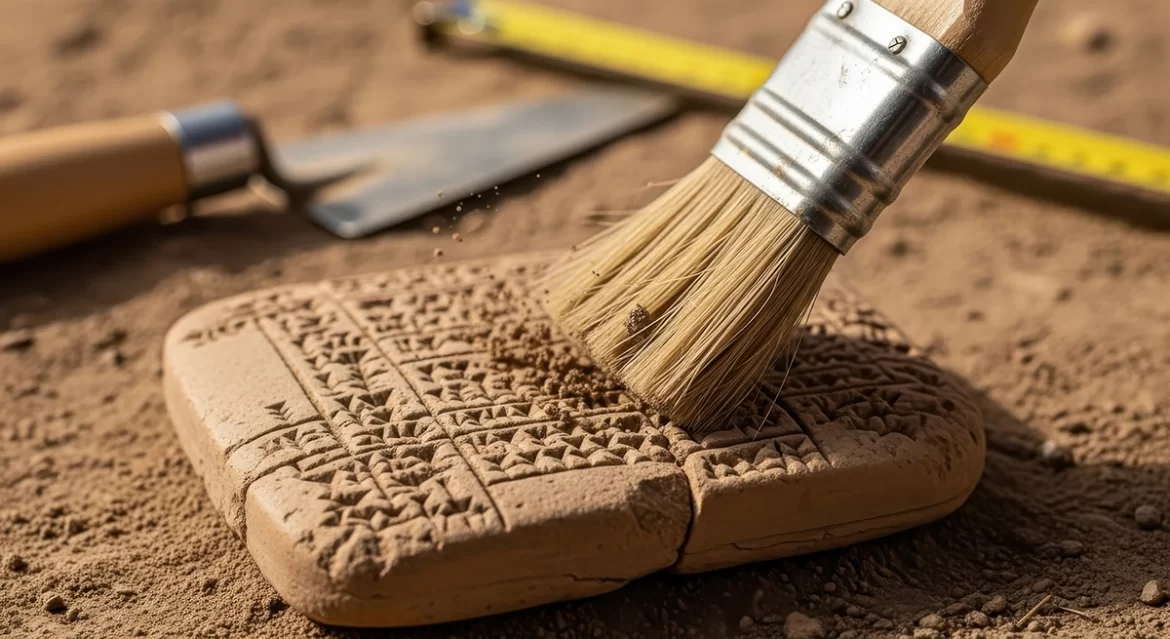
Archaeologists estimate that over 500,000 cuneiform tablets have been discovered, with many more believed to remain buried beneath the sands of Mesopotamia.
Together they represent an extraordinary archive of human knowledge spanning more than three millennia of recorded history.
Enki – God of Wisdom
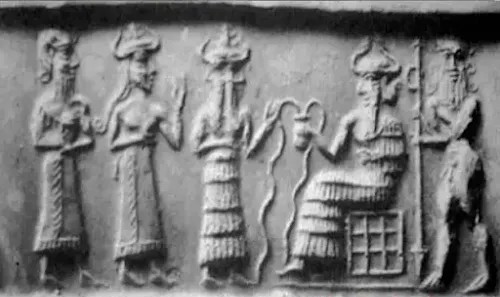
Among the most frequently referenced divine figures within Sumerian texts is Enki, often described as the Lord of the Abzu, the subterranean ocean believed to be the source of life-giving waters.
Enki appears in numerous mythological and theological texts as a bringer of civilization and wisdom.
Ancient tablets describe him as the guardian of sacred knowledge known as the Me — divine principles believed to structure society, culture, and human development.
These included concepts such as:
• Justice
• Kingship
• Music and art
• Craftsmanship
• Writing and education
• Law and social order
Within Sumerian mythology, Enki is frequently portrayed as a protector of humanity — guiding civilization toward greater wisdom and creative advancement.
The Sumerian Creation Traditions
Some of the most intriguing cuneiform texts describe early creation narratives, including stories preserved in tablets such as:
• The Eridu Genesis
• The Atrahasis Epic
• The Enuma Elish
These texts explore the origins of humanity, the role of divine beings in shaping civilization, and humanity’s relationship with the natural world.
Many scholars note that certain themes appearing in these ancient Mesopotamian texts later appear in other traditions across the ancient world.
This shared storytelling heritage provides a fascinating glimpse into how ancient cultures sought to understand the origins of life and consciousness.
Ancient Flood Traditions
One of the most widely studied Sumerian narratives preserved in cuneiform tablets describes a great flood.
The story appears in several versions, including:
• The Epic of Atrahasis
• The Epic of Gilgamesh
• The Eridu Genesis
In these accounts, a wise figure receives warning of a catastrophic flood and preserves life by constructing a vessel.
The presence of similar flood traditions across multiple ancient cultures has sparked extensive historical and archaeological discussion among scholars studying early civilizations.
The Library of Ancient Knowledge
Perhaps the most remarkable aspect of the cuneiform tablets is the enormous volume of preserved knowledge.
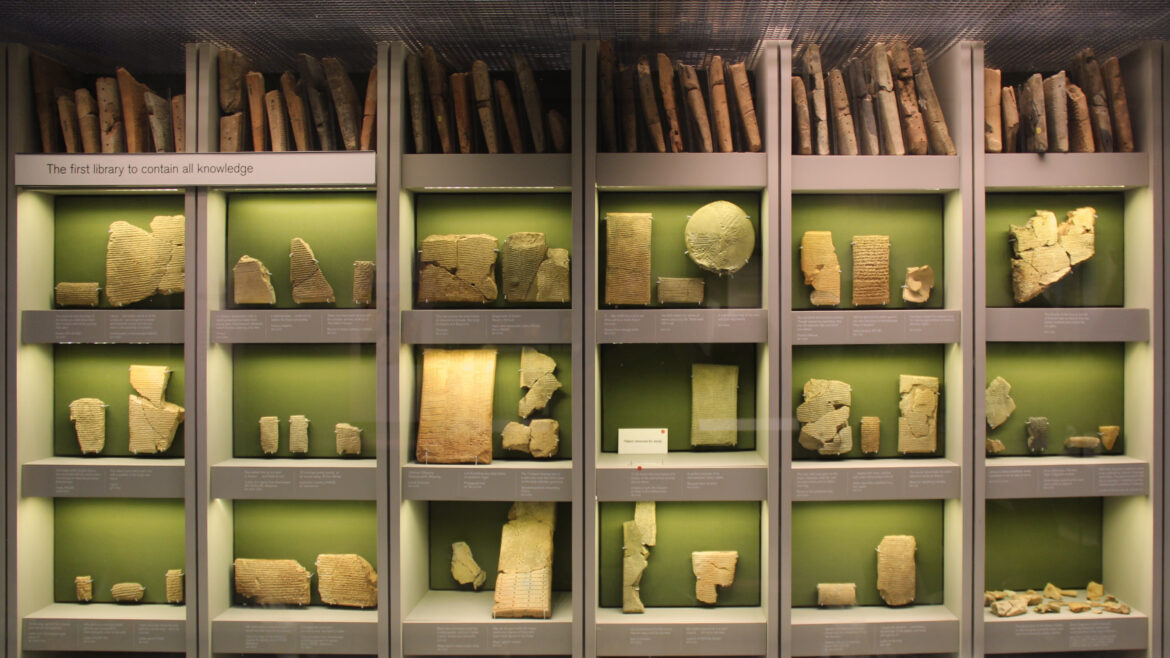
One of the most famous discoveries occurred in the Library of Ashurbanipal in Nineveh, where archaeologists uncovered thousands of clay tablets covering subjects such as:
- Medicine
- Astrology
- Mathematics
- Literature
- History
- Spiritual Texts
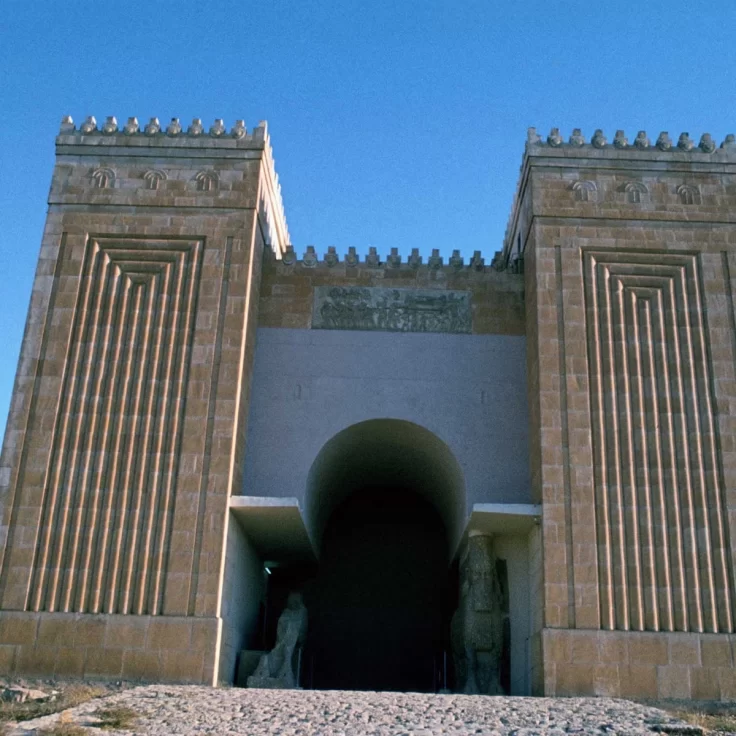
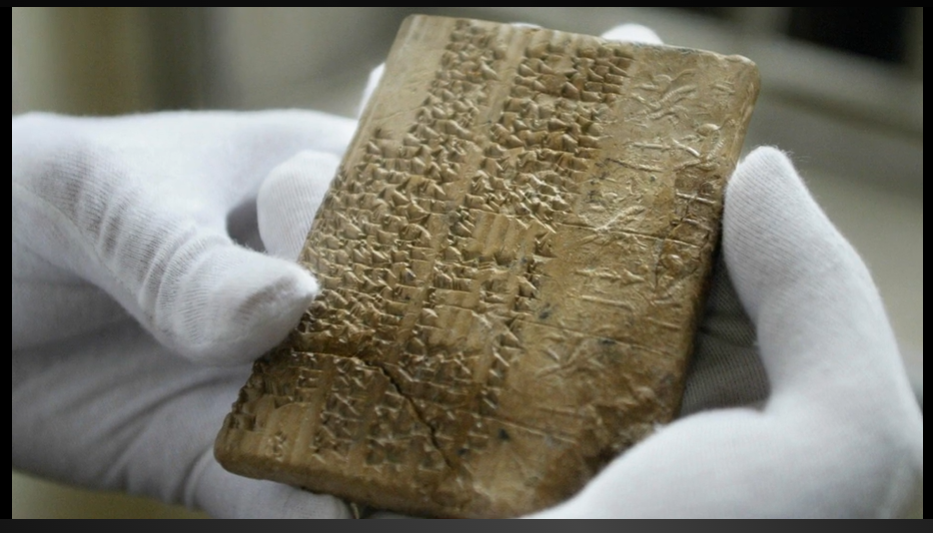
This library is often considered one of the earliest organized collections of human knowledge.
Today, many of these tablets are preserved in institutions such as:
The Baghdad Museum and the Lost Tablets
During the Iraq conflict in 2003, the Iraq Museum in Baghdad suffered significant looting.
Reports suggested that thousands of artifacts, including ancient tablets, were removed or displaced during the chaos.
Many artifacts have since been recovered through international efforts, though historians believe some ancient items remain missing.
The recovery and preservation of these historical treasures continues to be an important effort for archaeologists and cultural historians worldwide.
Anton Parks and the Eden Interpretation
Modern independent researchers such as Anton Parks have explored alternative interpretations of ancient Mesopotamian texts.
In his work The Eden Essay, Parks examines Sumerian mythology, cosmology, and language through a unique interpretive lens.
His research encourages readers to explore the ancient narratives with curiosity and critical thinking — considering how myth, symbolism, and early history may intertwine.
Why These Tablets Still Matter Today
More than five thousand years after they were written, the Sumerian cuneiform tablets continue to inspire scholars, historians, and spiritual seekers around the world.
They remind us that humanity has always searched for meaning, wisdom, and understanding.
These ancient writings represent not merely relics of the past, but enduring echoes of humanity’s earliest intellectual and spiritual awakening.
As we continue to uncover and study these remarkable texts, we gain a deeper appreciation for the timeless human pursuit of truth and knowledge.
Sumerian Cuneiform Tablets contained Business, Government and Medical Texts
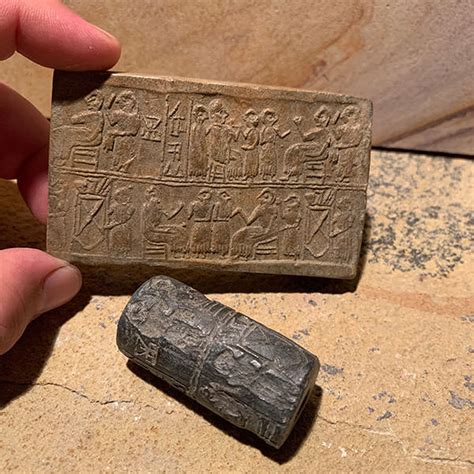
Ancient Sumerian Cylinder Seal
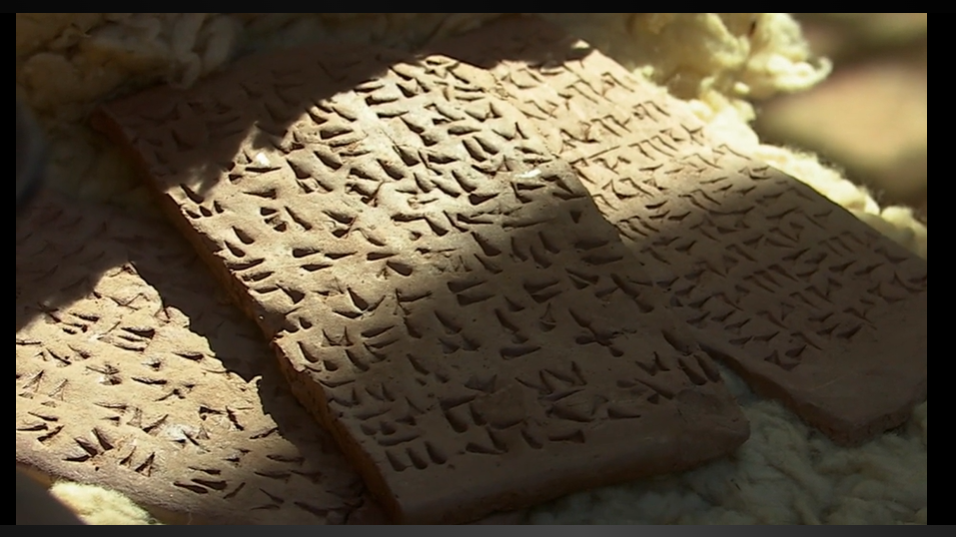
Sumerian Cuneiform Tablets – Recorded Human History
Continue Exploring Ancient Wisdom
The study of ancient civilizations opens a doorway into humanity’s earliest ideas about creation, consciousness, and the divine.
If this exploration sparked your curiosity, you may enjoy continuing your journey through the educational resources available here.
Explore More Ancient Wisdom