
Ancient Sumerian Wisdom • Where Divine Intelligence Meets Humanity

Primary Text References

Enki

Enki (EA) — Anunnaki Guardian of Wisdom and Sacred Knowledge

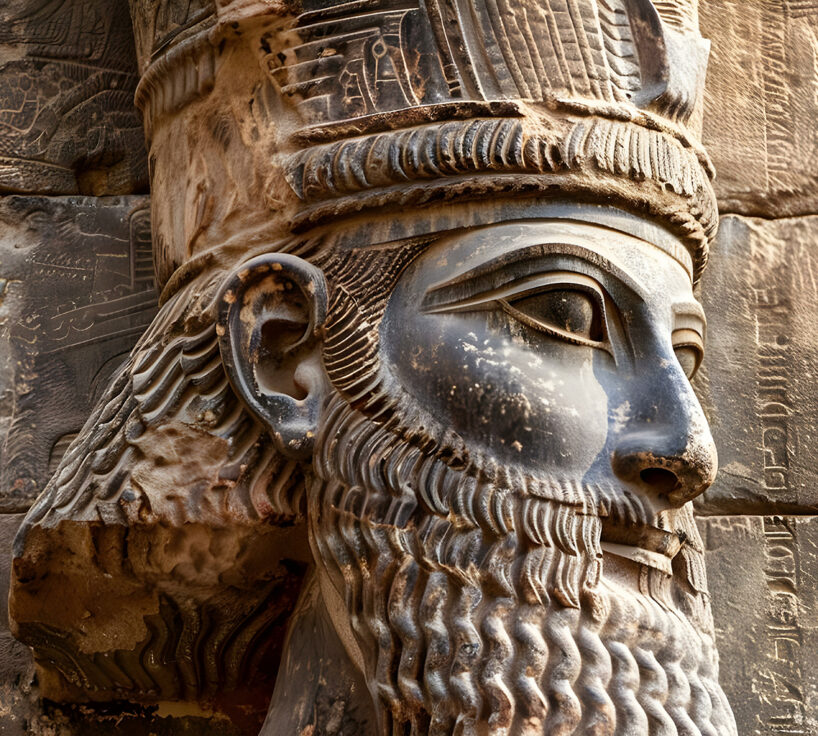
In the earliest civilizations of Mesopotamia, Enki was revered among the Sumerians, as well as other Anunnaki, as the god of wisdom, water, creation, and divine intelligence — a guardian of humanity entrusted with the preservation of sacred knowledge.

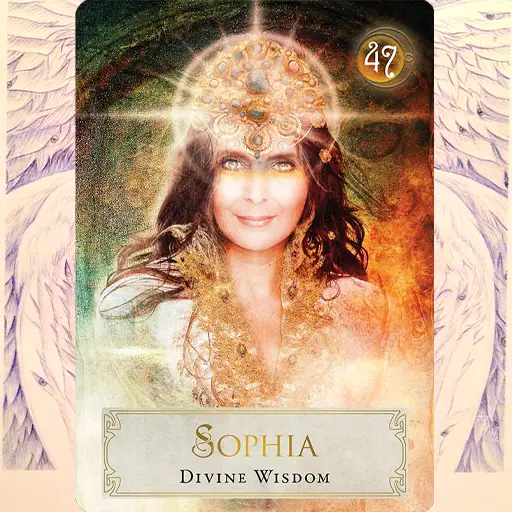
Across spiritual traditions, Divine Wisdom has often been personified as Sophia — the eternal Intelligence through which truth flows. Within a mystical-theological lens, Enki may be understood as one of the earliest guardians of that wisdom in human memory, a steward of the divine spark that lives within humanity itself.

Sophia Divine Wisdom feminine face of God artwork Sophia Divine sacred feminine artwork Gnostic symbolism light and awakening

Explore This Article

A guided overview of the history, symbolism, and legacy of Enki.

Timeline of Early Sumerian Civilization

Archaeological discoveries reveal that the traditions surrounding Enki emerged during the earliest chapters of urban civilization in Mesopotamia.

Early settlements appear in southern Mesopotamia.

The Ubaid culture flourishes — early temple complexes emerge.

Eridu becomes one of the earliest known cities.

The earliest forms of cuneiform writing appear.

Sumerian city-states such as Ur, Uruk, and Nippur flourish.

The Atrahasis Epic and other wisdom traditions circulate in Mesopotamia.

The Epic of Gilgamesh tablets are preserved in royal libraries.

Archaeologists rediscover Mesopotamian tablets.

Thousands of cuneiform tablets continue to be translated.

CHAPTER I

Origins of Enki

The earliest traditions of wisdom and civilization in Sumer.
 ENKI   • CRAFTSMAN & CREATOR

Giver of Wisdom, Truth & Sacred Knowledge

In the ancient traditions of Sumer, Enki was revered not only as a god of wisdom, but as a master craftsman of civilization itself. Associated with the primordial waters of the Abzu, he was believed to hold the sacred knowledge through which culture, science, language, and law were first revealed to humanity.

Through these gifts, Enki became known as a protector and teacher of humankind — one who preserved wisdom and ensured that the spark of intelligence within humanity could flourish.

Across centuries of myth and memory, his story endures as a symbol of divine knowledge guiding human progress.

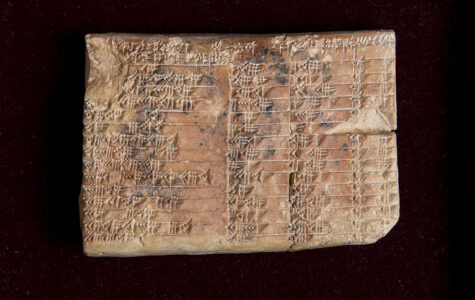
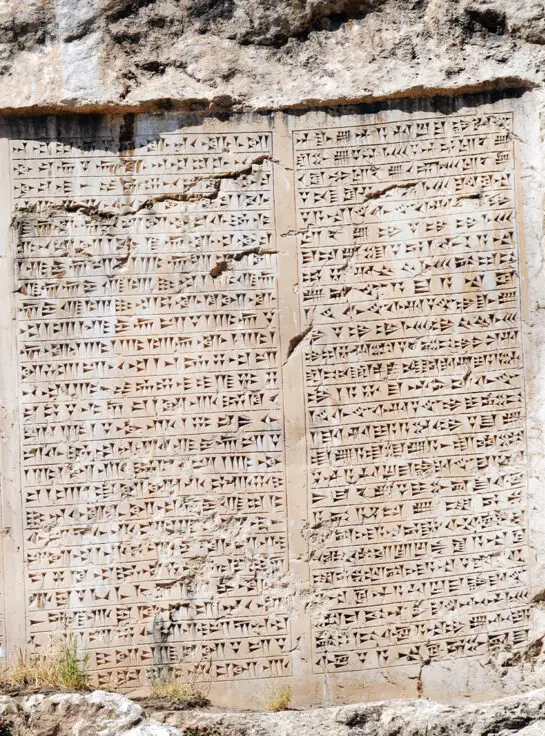
Many of the earliest written records of human civilization — preserved on clay tablets in the cuneiform script of ancient Sumer — continue to reference Enki as a guardian of wisdom and a source of creative intelligence.

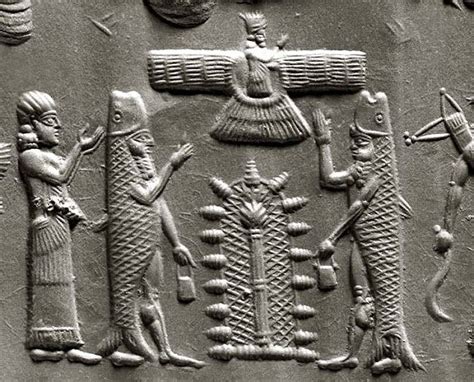
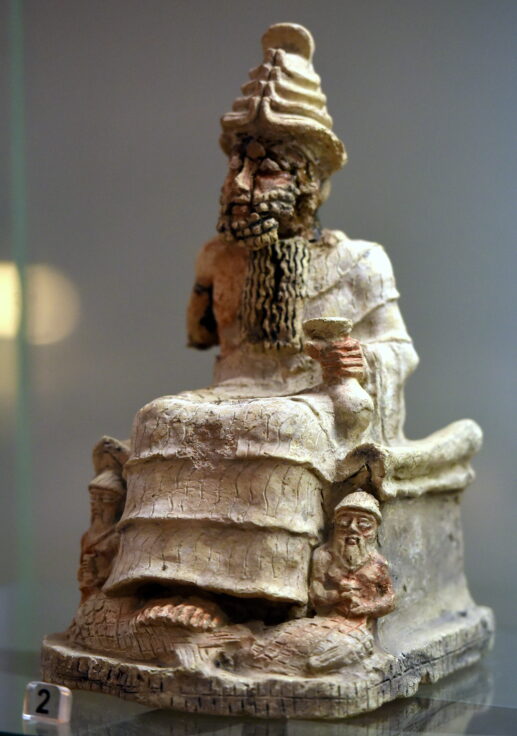
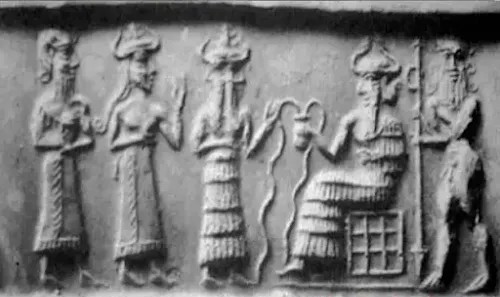
Enki (EA) - The “God with the Flowing Vase”

Three core attributes of Enki:

* The Flowing Vase
Represents the Abzu, the deep subterranean waters believed to be the source of life and wisdom.

* The Streams of Water
Symbolize the flow of knowledge and civilization into the human world.

* Fish Within the Streams
Indicate fertility, life, and the connection between divine wisdom and the natural world.

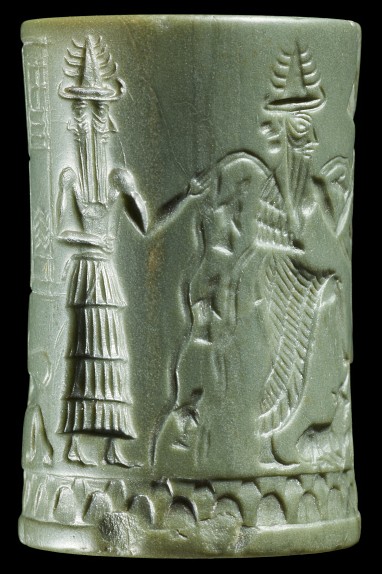
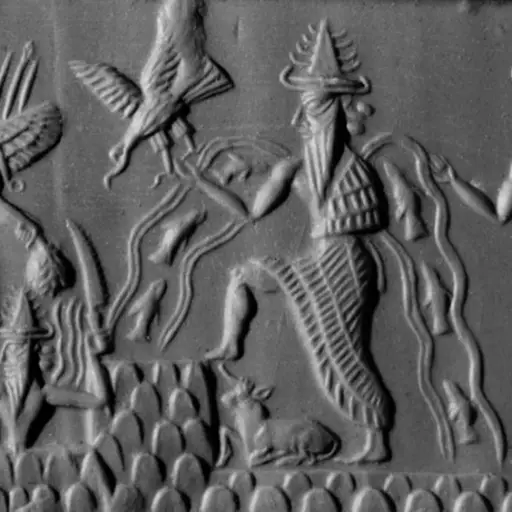
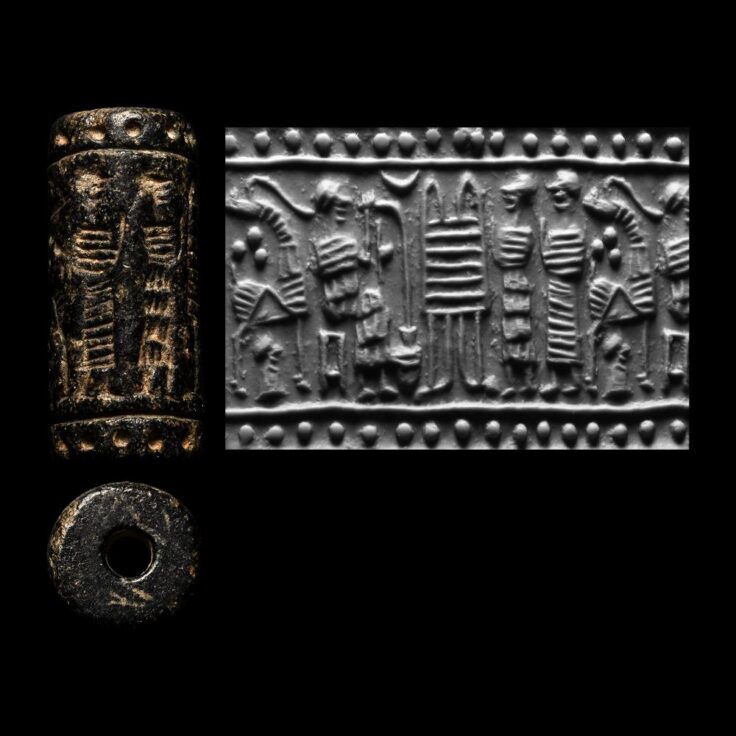
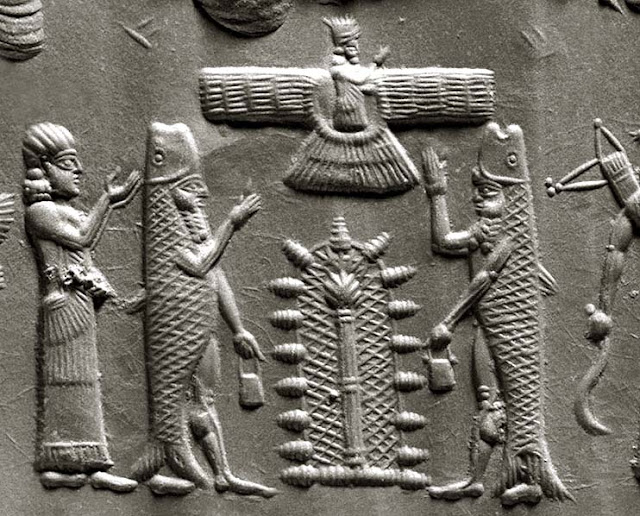
Sumerian cylinder seals frequently depict encounters between divine figures and humanity. Such scenes reflect the belief that the gods — including Enki, the lord of wisdom — played a role in guiding the development of culture, knowledge, and civilization.

Sumerian Anunnaki Giver of Wisdom

Sumerian cylinder seals frequently depict interactions between divine figures and humanity. Enki (known in Akkadian tradition as Ea), associated with wisdom, the sacred waters of the Abzu, and the preservation of knowledge, appears throughout Mesopotamian art as a benefactor of civilization and a transmitter of culture, learning, and sacred understanding.

Archaeological Evidence of Early Civilization

Thousands upon thousands of clay tablets discovered across Mesopotamia preserve the earliest written records of human civilization. Written in cuneiform script and dating back over four thousand years, these texts record myths, hymns, laws, and cosmological traditions associated with the Sumerian gods — including Enki, the lord of wisdom and the sacred waters of the Abzu.

Primary Sources, Texts And
Traditions Referenced:

The figure of Enki (Ea) appears throughout the earliest surviving literature of ancient Mesopotamia. These writings were preserved on thousands of clay tablets written in cuneiform, humanity’s earliest known writing system.

Among the most important texts referencing Enki are:

THE ATRHASIS EPIC
One of the oldest Mesopotamian narratives describing the creation of humanity. In this text, Enki plays a central role in the formation and protection of humankind.

ENUMA ELISH (Babylonian Creation Epic)
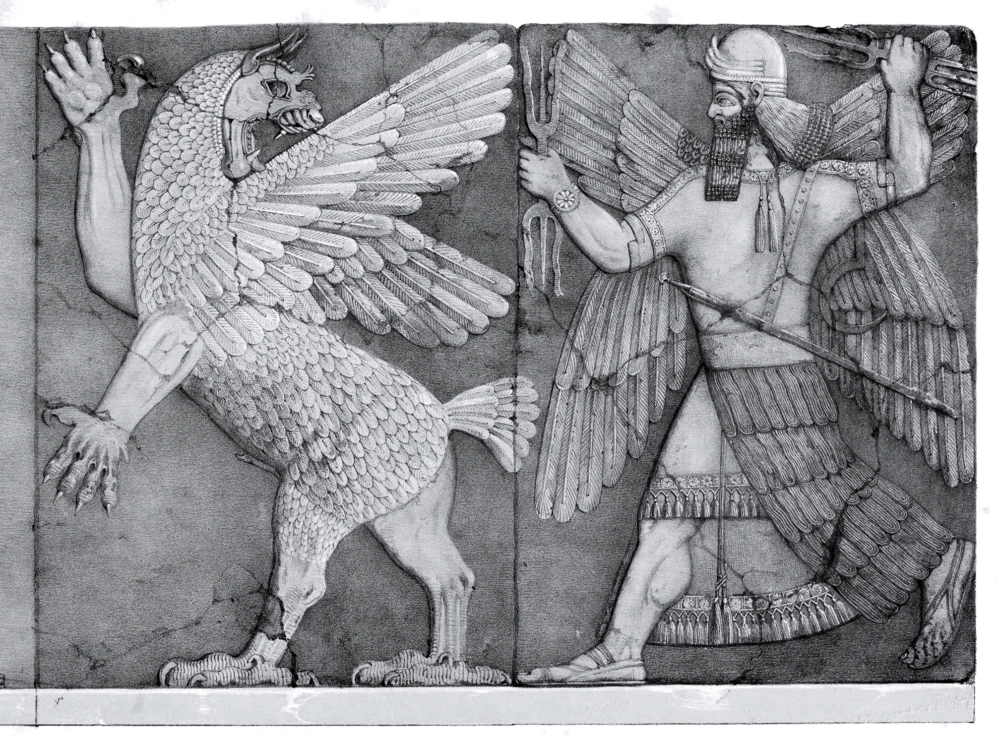
While centered primarily on the god Marduk, this text preserves earlier traditions of the divine order in which Ea (Enki) is recognized as a powerful deity associated with wisdom and knowledge.

THE ERIDU GENESIS
Fragments of this ancient text describe the early origins of civilization and divine interaction with humanity, with Enki connected to the sacred city of Eridu, one of the earliest known cities in the world.

SUMERIAN HYMNS TO ENKI
Numerous temple hymns praise Enki as the lord of wisdom, crafts, magic, and creative intelligence, emphasizing his role in shaping culture and civilization.

CYLINDER SEALS AND TEMPLE INSCRIPTIONS
Artistic depictions and inscriptions found throughout Mesopotamia frequently portray Enki as a benefactor of humanity, associated with the life-giving waters of the Abzu and the transmission of sacred knowledge.

CHAPTER II

Enki and the Rise of Civilization

Sacred knowledge, temple culture, and the foundations of early society.

Ancient Depictions of Enki

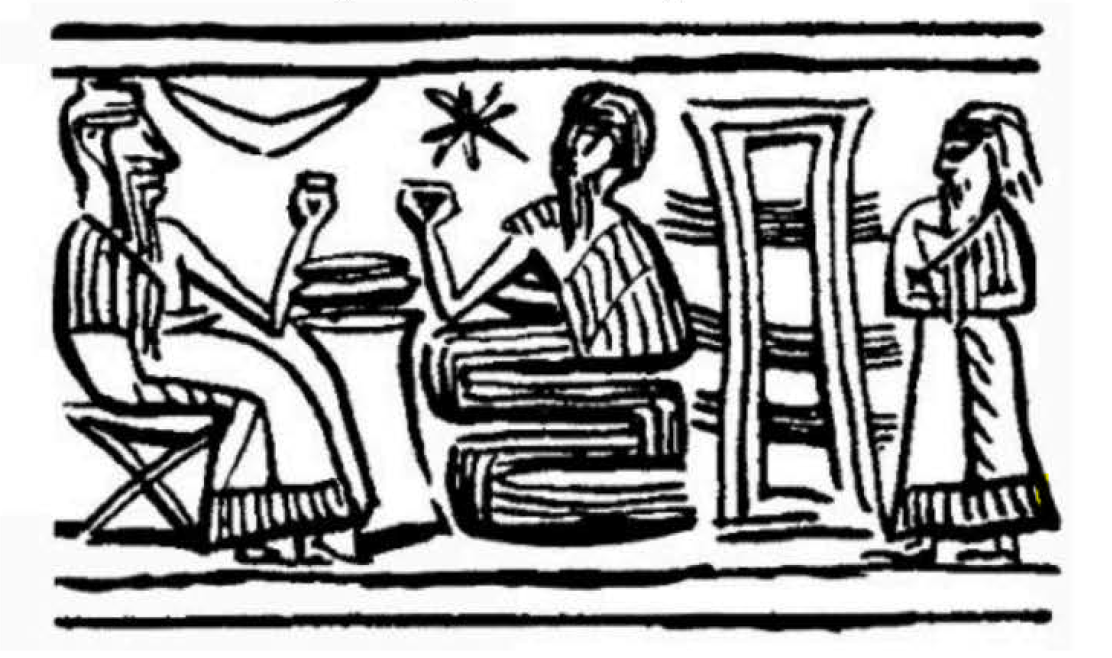
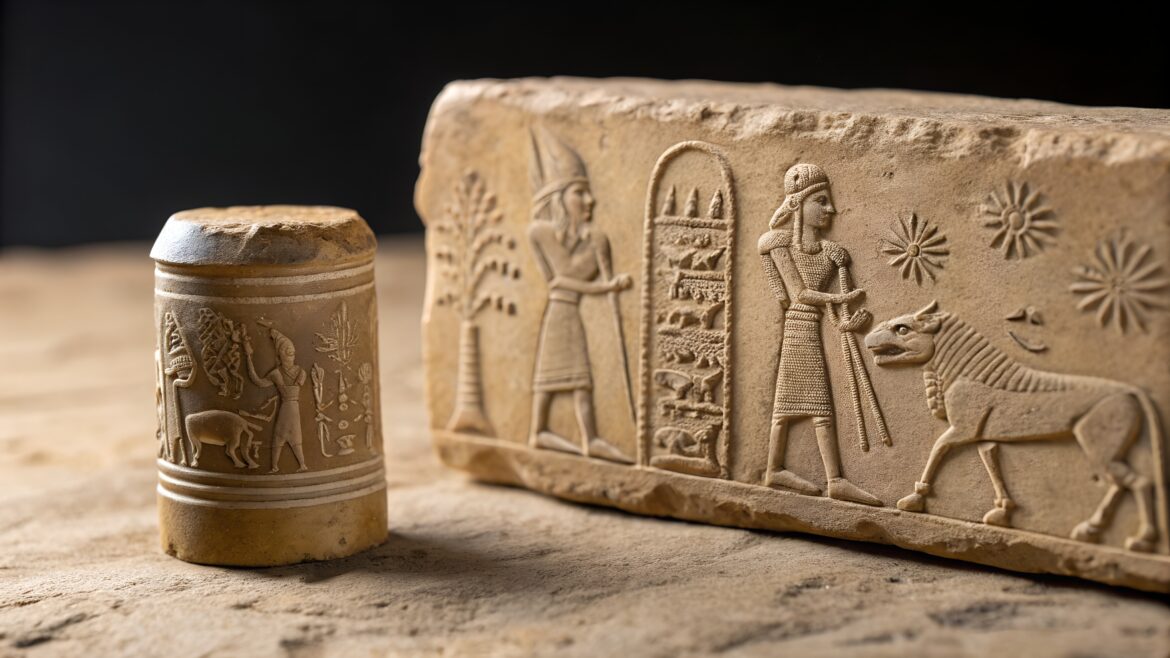
Cylinder seals functioned like official “snapshots” of belief and authority — rolled into clay to preserve divine-human interactions in everyday life. When multiple seals echo the same iconography, the pattern becomes unmistakable.

Across centuries, the same symbols repeat — wisdom, waters of life, and ordered creation — preserved in objects meant to authenticate truth.

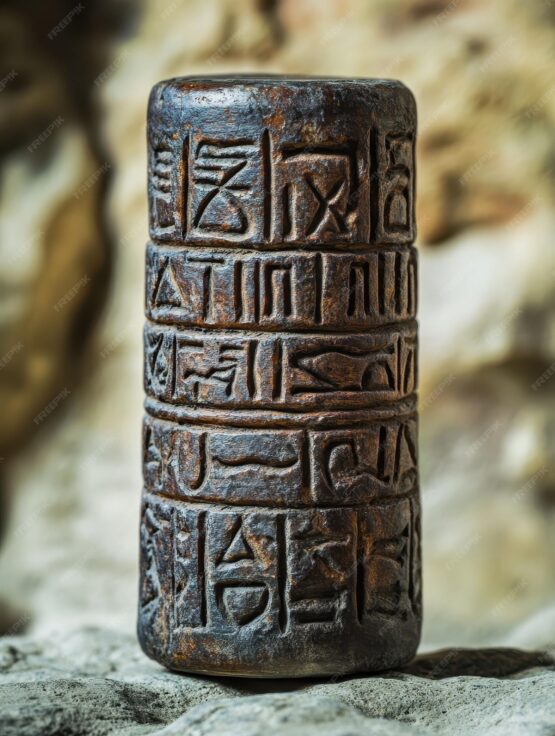
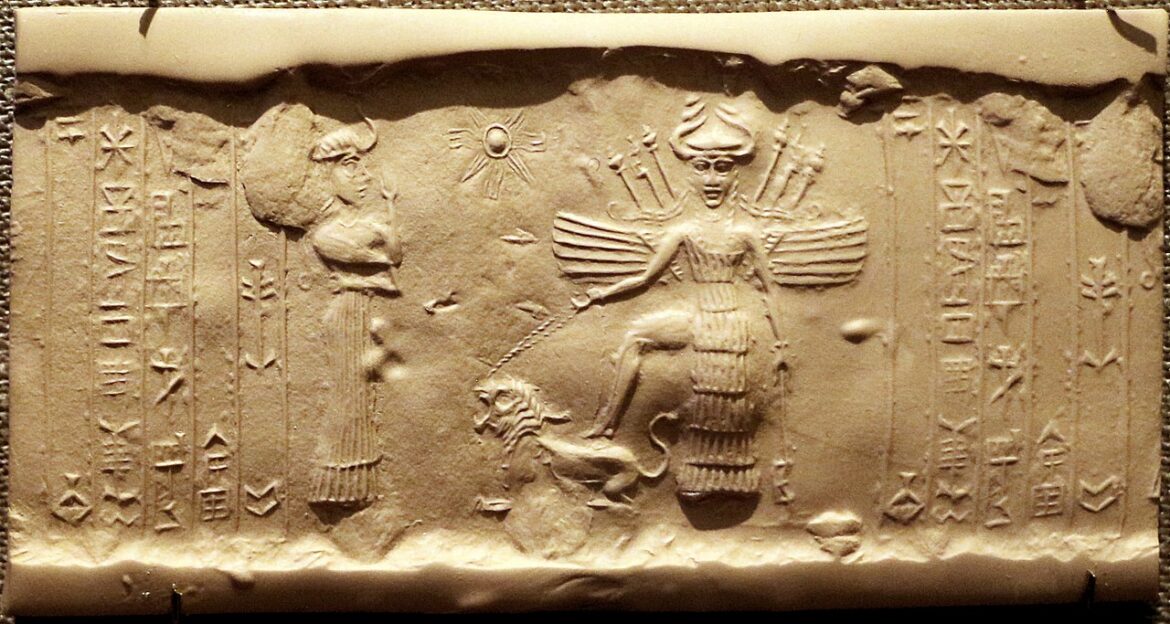
Sumerian cylinder seals were small carved stones used to stamp clay tablets and official documents. Dating back more than four thousand years, these seals preserved intricate scenes of divine figures interacting with humanity throughout these Sumerian Tablets.

Many depict themes associated with Enki (Ea) — wisdom, sacred waters, and the transmission of knowledge — reflecting the central role of this deity in the spiritual and cultural traditions of ancient Mesopotamia.

Artifacts from Sumerian and Akkadian periods, c. 3000–2000 BCE.

Ancient Sumerian Cylinder Seal

Divine–Human Interaction

Cylinder seals often depict:

• divine beings
• humans receiving blessings or instruction
• sacred symbols
• ritual offerings

Sumerian cylinder seals frequently depict encounters between divine figures and humanity. Such scenes reflect the belief that the gods — including Enki, the lord of wisdom — played a role in guiding the development of culture, knowledge, and civilization.

Enki - God of Water

Among the most iconic artistic representations associated with Enki in Mesopotamian tradition.

Key symbols visible in these depictions:

Water flowing from shoulders or a vessel
Fish or streams
The Abzu (cosmic waters)

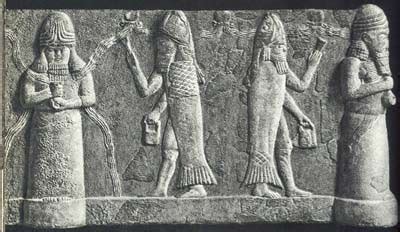
In Mesopotamian iconography, the god Enki (Ea) is often depicted with streams of flowing water emerging from his shoulders or vessel. These waters represent the sacred Abzu — the primordial source of wisdom, creativity, and life.

The God Enki at Eridu

Eridu was considered the oldest city in Sumer and the sacred city of Enki.

Archaeologists associate Eridu with:

• the temple of Enki
• the E-Abzu sanctuary
• the earliest Sumerian religious traditions

Eridu, the Sumerian Garden of Eden, and possibly the earliest city of ancient Sumer as documented in the Sumerian King List and the Eridu Genesis.

Eridu was considered the sacred home city of Enki. Temples dedicated to him honored the Abzu — the deep waters believed to be the source of wisdom, creation, and life.

The ME — Sacred Powers of Civilization

Long before written law codes and philosophical traditions emerged, the Sumerians described the foundations of civilization as sacred forces known as the ME.

These divine principles and sacred measures, or powers, represented the structures that make human society possible — the foundationincluding

  • kingship
  • wisdom
  • truth
  • crafts
  • music
  • writing
  • temple building
  • social order
  • law and governance

According to the ancient Sumerian narrative “Enki and Inanna,” these powers were originally safeguarded by Enki within the Abzu at Eridu.

From this sacred center of wisdom, the ME were distributed to humanity, allowing the development of cities, culture, and knowledge.

Through this tradition, Enki appears not merely as a god of water or magic, but as the guardian of the very principles that shape civilization itself.

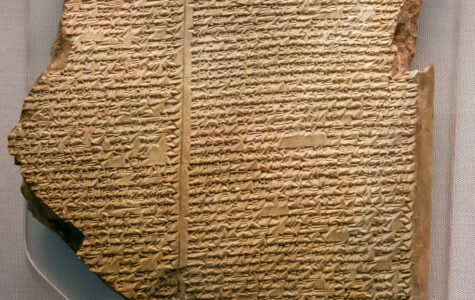
Clay tablet containing part of the Sumerian myth “Enki and Inanna,” which describes the sacred powers of civilization known as the ME.

Enki and the Seven Sages — Teachers of Humanity

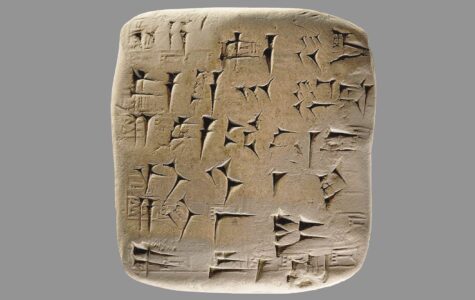
In Mesopotamian tradition, the god Enki did not simply guard wisdom within the Abzu — he shared it.

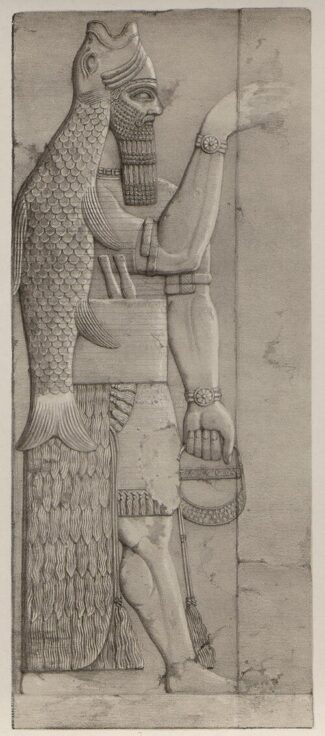
Ancient texts describe how Enki sent seven legendary sages, known as the Apkallu, to guide the earliest human civilizations.

These wise teachers were believed to emerge from the sacred waters and instruct humanity in the arts that sustain civilization.

They taught writing, architecture, law, agriculture, and the ordering of society.

Through their guidance, early cities learned how to build temples, organize governance, record knowledge, and preserve culture across generations.
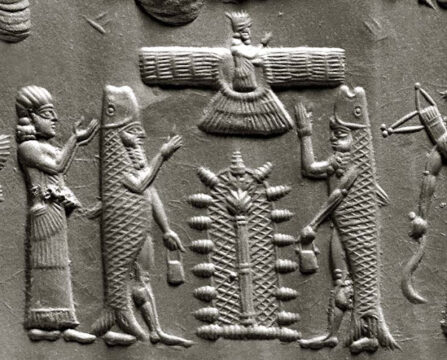
Because of this tradition, Enki was remembered not only as a god of water, but as the divine source of wisdom who ensured that humanity would come into the light.
In Mesopotamian tradition, the god Enki did not simply guard wisdom within the Abzu — he shared it.

Ancient texts describe how Enki sent seven legendary sages, known as the Apkallu, to guide the earliest human civilizations.

These wise teachers were believed to emerge from the sacred waters and instruct humanity in the arts that sustain civilization.

They taught writing, architecture, law, agriculture, and the ordering of society.

Through their guidance, early cities learned how to build temples, organize governance, record knowledge, and preserve culture across generations.

Because of this tradition, Enki was remembered not only as a god of water, but as the divine source of wisdom who ensured that humanity would come into the light.
CHAPTER III

Enki and the Preservation of Humanity

The flood traditions and the enduring legacy of wisdom.

Enki and the Creation of Humanity

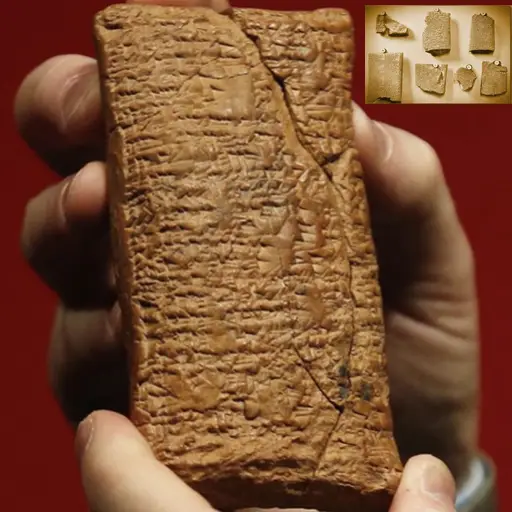
Long before later religious traditions emerged, Mesopotamian texts described the origins of humanity as it recounts humanity’s creation and a great flood in the ancient narrative known today as the Atrahasis Epic.

According to this account, the early gods struggled to maintain the burdens of labor required to sustain the world. Fields had to be cultivated, canals maintained, and temples built.

To solve this problem, the god Enki — master of wisdom and creation — proposed a solution.

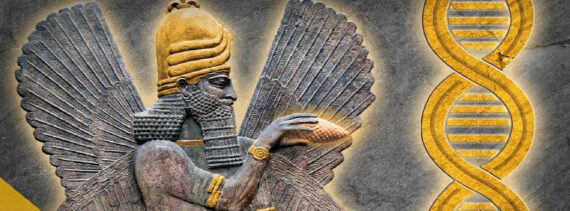
Human beings would be formed from clay and infused with the essence of divine life.
Enki Anunnaki Giver of Wisdom Truth and Knowledge

Through this act, humanity became both earthly and sacred: creatures shaped from the soil of the world yet carrying within them a spark of divine intelligence.

Because of this role in the creation of humanity, Enki was remembered not only as a god of water and knowledge, but also as a compassionate architect of human life itself.

In the tradition, the birth-goddess Ninhursag shaped humanity from clay while Enki guided the process with wisdom and divine design.
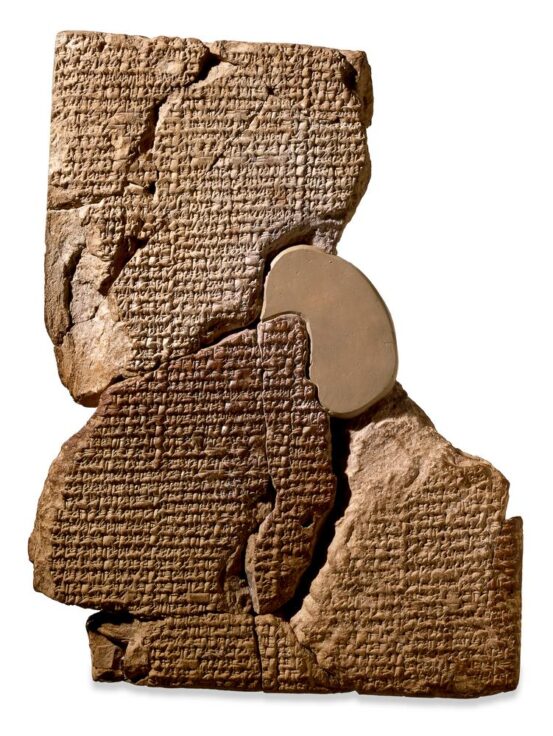
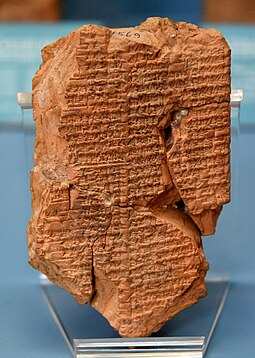
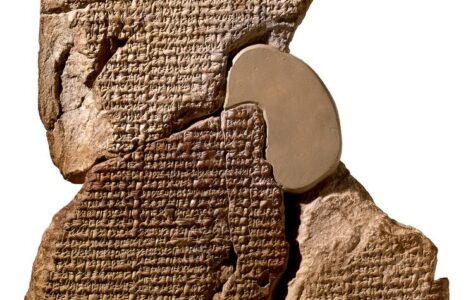
Clay tablet containing part of the Atrahasis Epic, one of the earliest surviving narratives describing the creation of humanity and the story of a massive deluge , or Flood Story in Mesopotamian tradition.

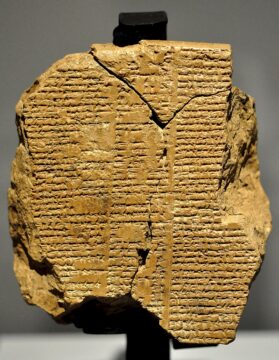
Enki — Protector of Humanity

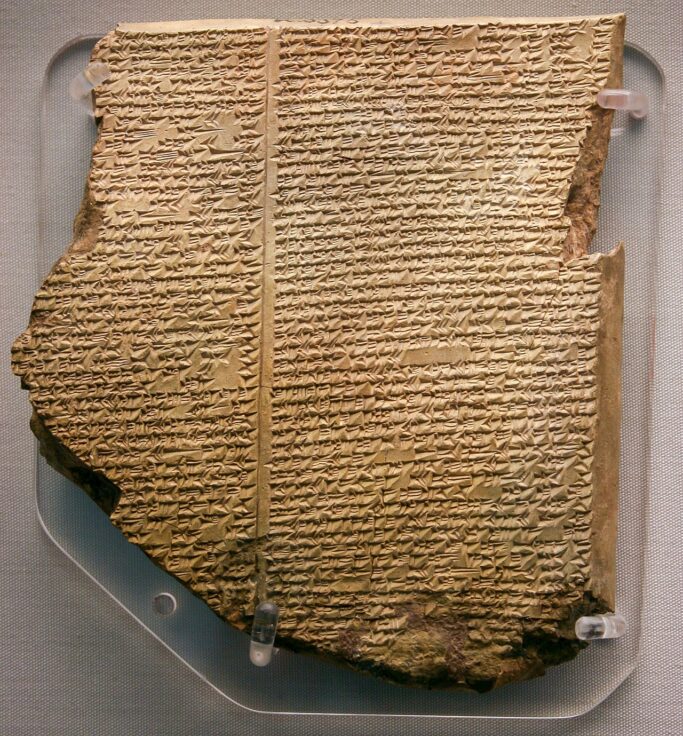
The Great Flood Tradition … The Epic of Gilgamesh : Sumerian Flood Story

Clay tablet containing the Mesopotamian flood narrative later preserved in the Epic of Gilgamesh.

Long after humanity had spread across the cities of ancient Mesopotamia, the gods became troubled by the growing noise and activity of human civilization.

According to the Atrahasis Epic, the assembly of gods decided that a great flood would cleanse the earth and restore silence to the world.

Yet Enki — known for his wisdom and compassion toward humanity — could not allow human life to vanish.

Bound by the laws of the divine assembly, Enki did not directly warn humanity.
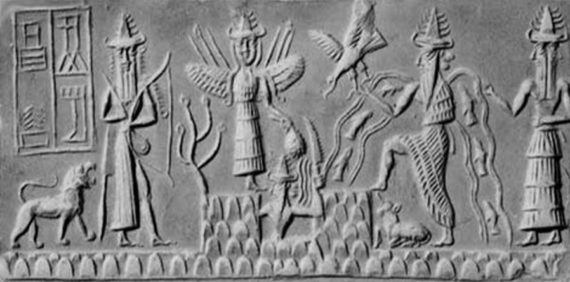
Instead, he spoke to a wall of reeds near the home of Atrahasis – The Wise Man.

Through this clever act, the message was overheard.

Atrahasis was instructed to build a great vessel and preserve life before the coming waters.
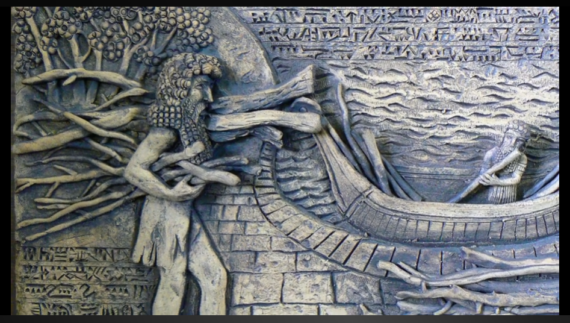
When the flood arrived, the storm covered the land and cities disappeared beneath the waters. But Atrahasis and those aboard the vessel survived.

After the waters receded, humanity endured.

Because of this story, Enki was remembered not only as a creator and teacher, but as the protector of human life itself.

Through ancient Sumerian stories preserved on clay tablets for thousands of years, Enki emerges not only as a god of wisdom, but as a guardian of humanity — a figure remembered for protecting knowledge, life, and the future of civilization itself.
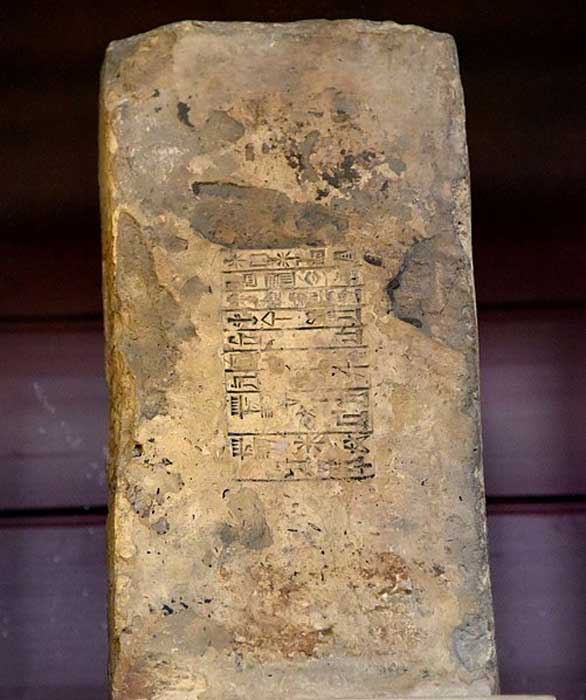
The Legacy of Enki — Wisdom Across Civilizations

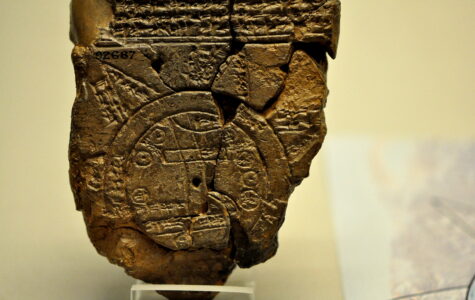
For thousands of years the stories of ancient Mesopotamia were preserved in clay tablets buried beneath the cities of the Tigris and Euphrates. When archaeologists rediscovered and translated these tablets in the nineteenth and twentieth centuries, they revealed one of the earliest written records of human civilization.

Within these ancient traditions, Enki stands as one of the most enduring figures — remembered as a guardian of wisdom, a patron of craftsmanship, and a protector of humanity.

Clay tablet containing cuneiform inscriptions from ancient Mesopotamia, preserving early literary and historical records.

Wisdom Traditions of Ancient Mesopotamia

In the cities of Eridu, Ur, and Nippur, temple schools preserved knowledge through a sophisticated scribal culture. Students learned to write in cuneiform and copied tablets containing myths, hymns, legal codes, and philosophical reflections about the nature of civilization.

Within these texts, Enki is consistently associated with intelligence, craftsmanship, water, and the deep source of wisdom known as the Abzu — the sacred subterranean waters believed to nourish life and knowledge.

Because of this role, later Mesopotamian traditions often remembered Enki as the divine patron of scholars, inventors, and those who sought understanding.

Ancient Flood Traditions Across Cultures

One of the most fascinating discoveries made by archaeologists was the realization that the Mesopotamian flood narrative appears in several ancient texts.

Among them are the Atrahasis Epic and the Epic of Gilgamesh, which preserve stories describing a great flood and the survival of humanity through divine guidance.

These discoveries revealed that flood traditions were remembered across multiple ancient cultures, suggesting that early civilizations preserved powerful memories of natural disasters that shaped their understanding of the world.

Rather than existing in isolation, these stories form part of a shared human attempt to explain survival, renewal, and the preservation of knowledge.

Fragment of the flood narrative tablet discovered in the library of Nineveh.

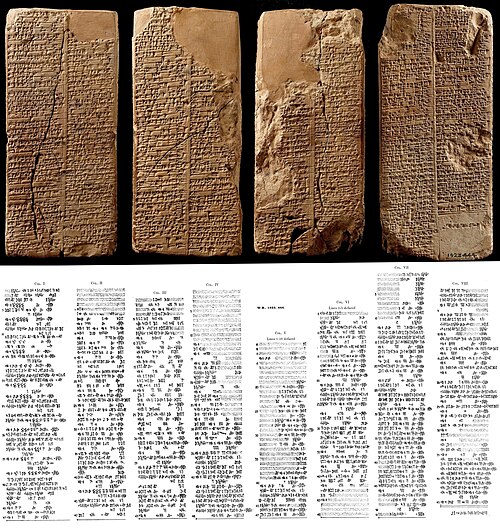
Sumerian Kings List – Weld Blundell Prism with transcription by Stephen Herbert Langdon (1876-1937)

The Enduring Symbol of Wisdom

Across the ancient Near East, the figure of the wise teacher or civilizing guide appears again and again. In Mesopotamia this role was closely associated with Enki and with the legendary sages known as the Apkallu, who were believed to bring knowledge of writing, architecture, law, and agriculture to humanity.

Because of these traditions, Enki became a lasting symbol of the idea that civilization itself is sustained by wisdom — the careful preservation of knowledge, skill, and ethical understanding from one generation to the next.

Tablet(s) of the Enuma Elisa

Today, thousands of cuneiform tablets discovered by archaeologists continue to reveal new insights into the earliest chapters of human civilization.

Within these ancient records, the figure of Enki endures as a powerful symbol of curiosity, creativity, and the pursuit of understanding.

Through the preservation of knowledge — whether written on clay tablets in ancient temples or studied in modern museums and universities — the legacy of wisdom continues to guide humanity’s future.

Legacy of the First Wisdom Traditions

“Of all the gifts given to humanity, wisdom is the one that endures beyond empires.”

Scroll to Top