
the first historically attested ruler of Mesopotamia
Enmebaragesi
Primary Text References
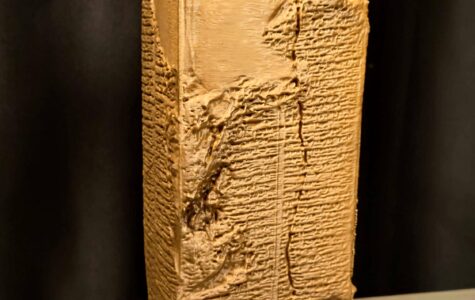
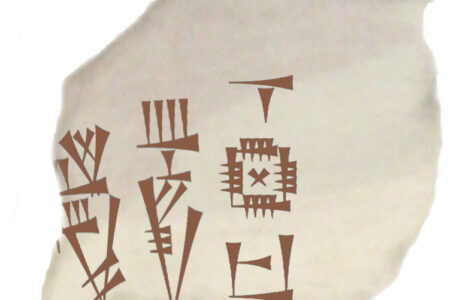
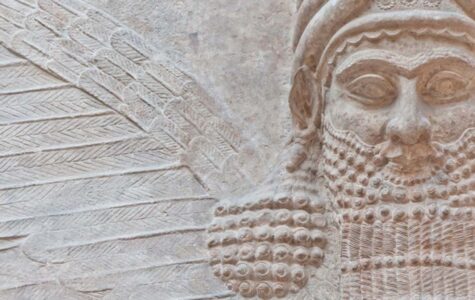
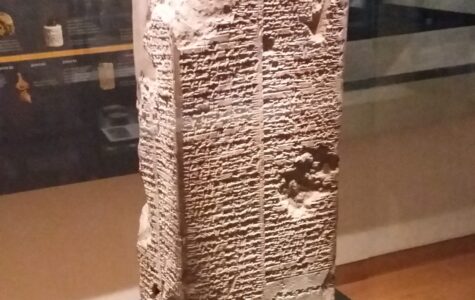
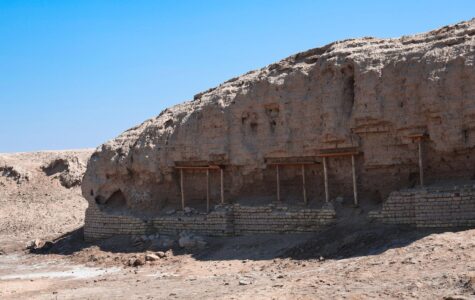
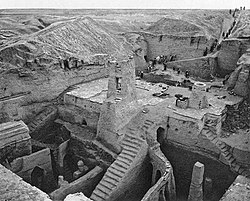
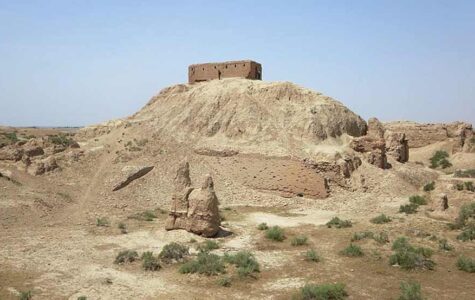
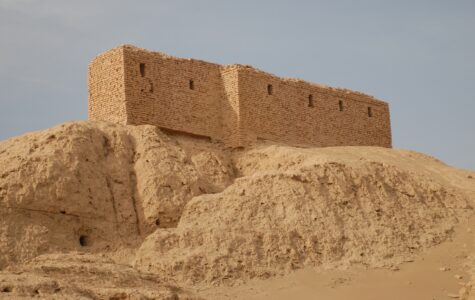
Enmebaragesi
Enmebaragesi (fl. c. 2700 BCE) was a king of Kish in northern Babylonia and is widely regarded as the first historically attested ruler of Mesopotamia. His name appears on contemporary inscriptions, marking the transition from mythic to recorded history in Sumerian civilization.
Key facts
Reign: c. 2700–2600 BCE
Dynasty: First Dynasty of Kish
Known from: Inscriptions on alabaster vases, Nippur and Khafajah
Military activity: Campaign against Elam
Successor and son: Agga of Kish
Archaeological attestation
Fragments of alabaster vases inscribed with Enmebaragesi’s name were discovered at Nippur and Khafajah, confirming his existence beyond legend. These are the earliest known inscriptions directly linked to a named Mesopotamian monarch, making him the oldest identifiable figure in the historical record of Sumer.
Role and reign
Listed as the penultimate ruler of the First Dynasty of Kish, Enmebaragesi was credited in the Sumerian King List with subduing the land of Elam, a neighboring power to the east. His reign likely represented a period when Kish exerted hegemony over parts of Sumer, establishing a model for later city-state kingship in the region.
Literary and cultural significance
Later Sumerian literature—particularly the poem Gilgamesh and Agga of Kish—presents his son Agga as a rival of Gilgamesh, suggesting an era of intercity conflict between Kish and Uruk. Enmebaragesi’s verified historicity lends credibility to the notion that figures such as Gilgamesh may have historical counterparts.
Legacy
Enmebaragesi’s reign symbolizes the threshold between prehistory and history in Mesopotamia. Through his inscriptions, scholars trace the emergence of political leadership supported by written record, setting a precedent for the dynastic chronicles that followed.
Sources:
• Enmebaragesi | King of Kish, Sumerian Ruler | Britannica
• History of Mesopotamia – Sumerians, Akkadians, Babylonians | Britannica
• Alphabetical Browse | Britannica
• History Atlas
• MEZOPOTAMYA
• Enmebaragesi Biography | Pantheon
• People | Enmebaragesi
• Show #5: Mesopotamian State Force and the Politics of Power (Early Dynastic Period) | Damien Marie AtcHope
• First historical personalities
• ფაქტი 67076. 1902-12 წლებში ერმილე პარმენის ძე ჯაფარიძე მუხურის