
Sumerian FLood Story
The Epic of Gilgamesh


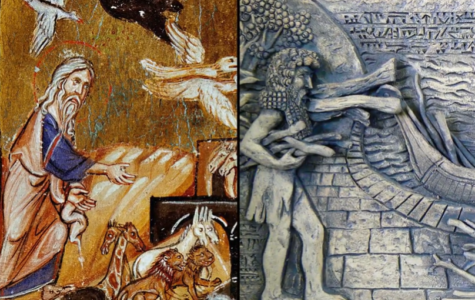
Epic of Gilgamesh
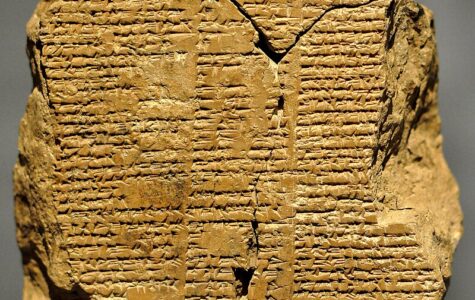
The Epic of Gilgamesh is an ancient Mesopotamian poem regarded as the earliest surviving work of great literature. Written in Akkadian on clay tablets, it tells the mythic story of Gilgamesh, king of Uruk, and his quest for meaning, friendship, and immortality. Its themes of heroism and mortality profoundly influenced later literary and religious traditions.
Key facts
Origin: Ancient Mesopotamia (Sumer and Akkad)
Language: Akkadian (Standard Babylonian version)
Date composed: Circa 2100–1200 BCE
Form: Epic poem on twelve clay tablets
Protagonist: Gilgamesh, semi-divine king of Uruk
Historical background
The epic evolved from earlier Sumerian tales about Gilgamesh, a historical ruler who lived around 2700 BCE. The standard Akkadian version was compiled by the scholar Sin-leqi-unninni around the late second millennium BCE. Archaeologists rediscovered the tablets in the 19th century at Nineveh, within the library of Ashurbanipal, bringing the text to modern scholarship.
Plot and structure
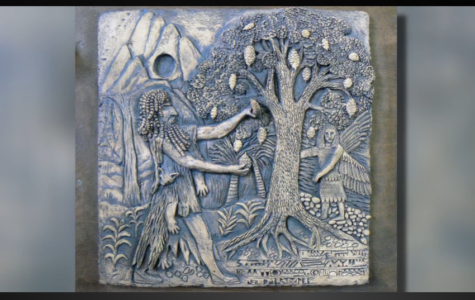
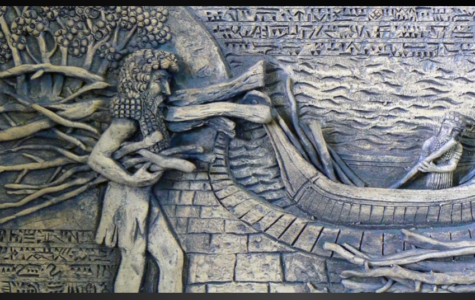
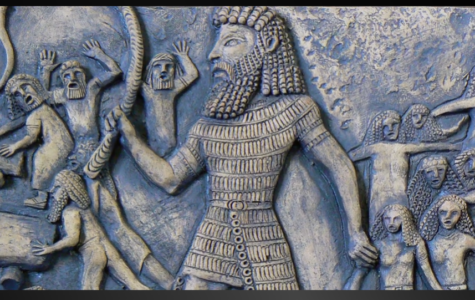
The poem opens with Gilgamesh’s tyranny over Uruk and the creation of Enkidu, a wild man sent by the gods to humble him. Their friendship leads to heroic exploits, including the slaying of Humbaba and the Bull of Heaven. After Enkidu’s death, Gilgamesh seeks immortality, encountering Utnapishtim, survivor of a great flood. The story ends with acceptance of human mortality and pride in human achievements.
Themes and significance
Central themes include mortality, the limits of human power, and the civilizing power of friendship. The flood narrative parallels the later Book of Genesis story of Noah, reflecting shared ancient Near Eastern mythology. The epic’s exploration of grief, wisdom, and legacy marks it as a foundational text in world literature.
Legacy and modern relevance
The Epic of Gilgamesh influenced classical and biblical literature and continues to inspire modern authors, poets, and philosophers. Its rediscovery reshaped understanding of early human thought, revealing how ancient peoples grappled with questions of existence, morality, and the search for meaning.
Sources:
• The Epic of Atrahasis – Livius
• Anteanus: The Epic of Atrahasis [Ganino]
• The Epic of Atrahasis – a non-biblical account of the Great Flood (1600 BC)
• The Epic of Atrahasis – Myth – OMNIKA Mythology
• Atrahasis Epic
• Tablet Inscribed in Akkadian with a Fragment of the Babylonian Flood Epic of Athrasis
• File:Bm-epic-g.jpg – Wikimedia Commons
• The Epic of Atra-Hasis – Version 1 – Mesopotamian Gods & Kings
• Atra-Hasis – Justapedia