
Sumerian mother goddess
Ninhursag

Ninhursag
Ninhursag, also spelled Ninhursaga, was a major Sumerian mother goddess revered across ancient Mesopotamia. Her name means “Lady of the Sacred Mountain,” linking her to the earth’s fertile and stony landscapes. Worshiped from the Ubaid period onward, she personified creation, fertility, and the nurturing power of the land.
Key facts
Role: Mother goddess of earth, fertility, and life
Alternate names: Ninmah, Nintu/Nintur, Aruru, Belet-ili, Damkina
Consorts: Enki (god of wisdom), Šulpae (in early texts)
Major cult centers: Adab, Kish, Kesh, Lagash, and Tell al-Ubaid
Symbol: Ω-shaped (omega) sign symbolizing womb and birth
Origins and identity
Emerging as early as 4500 BCE, Ninhursag was one of the four great creator deities alongside Anu, Enlil, and Enki. She embodied the living earth, generating plants, animals, and humankind. Her worship extended through the Early Dynastic period, where rulers described themselves as “nourished by Ninhursag’s milk,” affirming her role as sustainer of kingship.
Myths and attributes
In the myth “Enki and Ninhursag,” she dwells in the paradise of Dilmun, where her union with Enki initiates a cycle of creation and healing. After Enki consumes forbidden plants she had formed, she curses him, then heals him by giving birth to eight deities, each curing a part of his body. This narrative reinforces her dual power to bring both sickness and renewal.
As Ninmah (“Great Queen”) or Nintu (“Lady of Birth”), she appears in creation epics crafting humanity from clay to ease the gods’ labor, acting as midwife to gods and mortals alike.
Worship and iconography
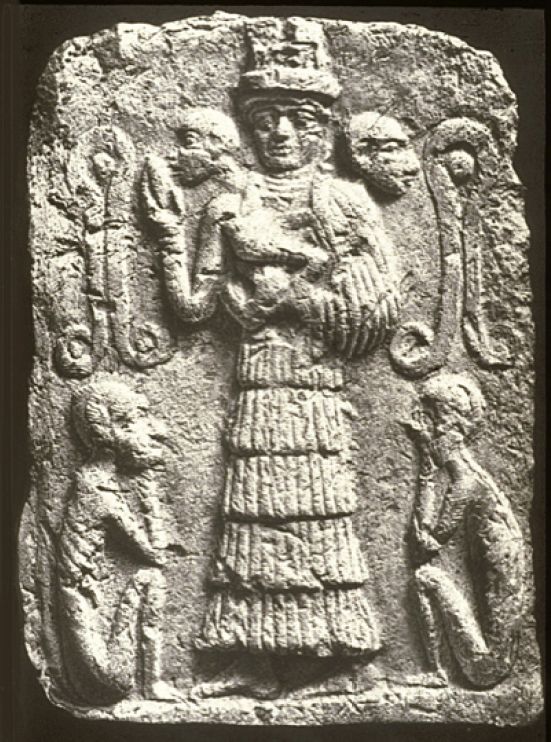
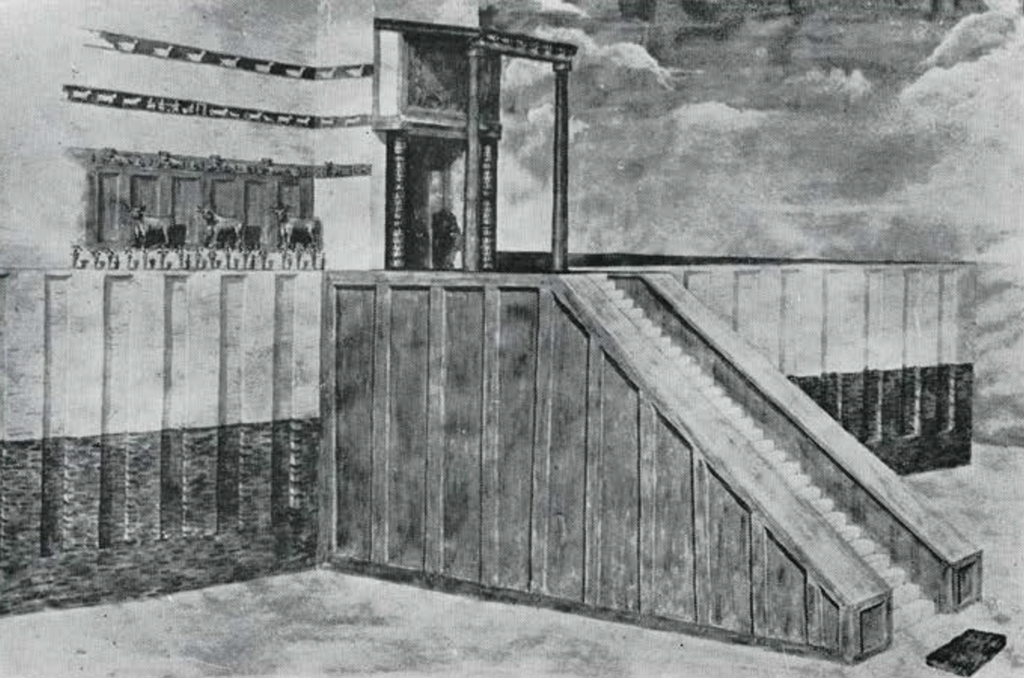
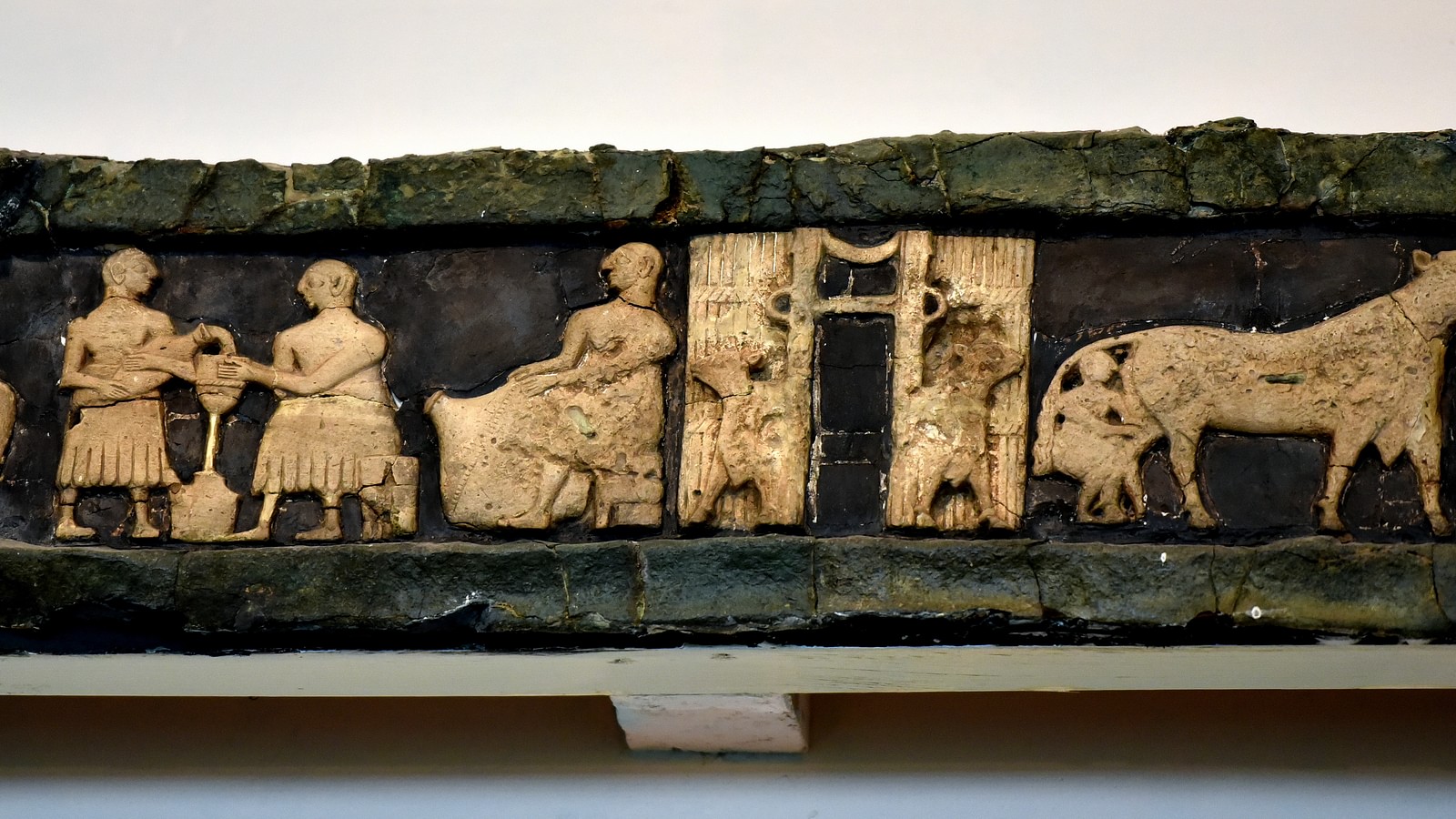
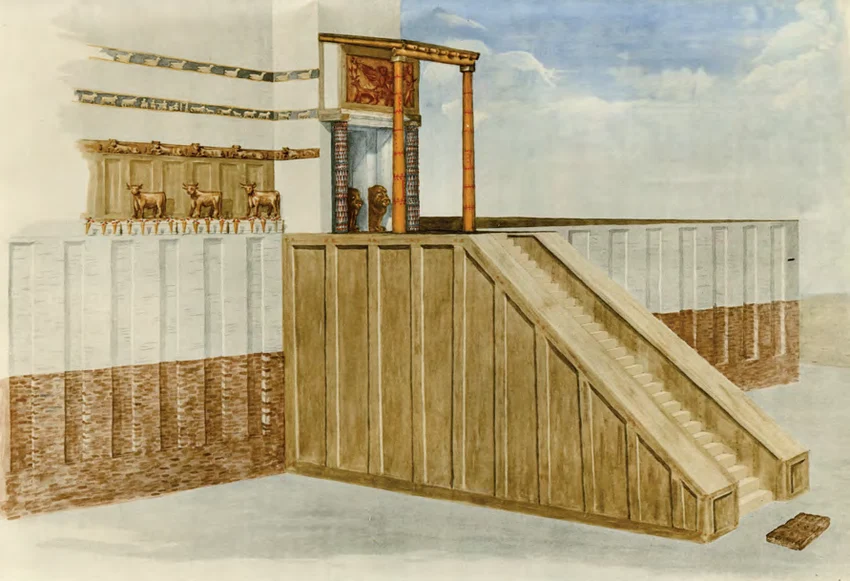
Ninhursag’s temples—such as the great sanctuary at Tell al-Ubaid—featured mountain imagery and copper guardian lions. Art portrays her seated upon mountains, wearing a horned crown, with the omega-shaped motif representing the womb and umbilical knife. She was associated with animals like the lion and onager, symbols of her dominion over wild and domestic life.
Rituals in her honor focused on fertility, childbirth, and agricultural renewal, aligning her closely with the seasonal and maternal rhythms of Mesopotamian society.
Legacy and influence
By the Old Babylonian era, aspects of Ninhursag merged with other mother figures such as Damkina and Belet-ili. Despite the later dominance of male deities, she remained one of the “Seven Divine Powers” of Sumer and a model for later earth goddesses, echoing through figures like Gaia, Isis, and the Virgin Mary as archetypes of life-giving motherhood.
Sources:
• Ninhursag | Mother Goddess, Sumerian, Creation | Britannica
• Ninhursag – World History Encyclopedia
• Timeline: Ninhursag
• Ninhursag (Ki) | Kamboozal
• Ninhursag Lady of The Mountain Goddess of Fertility – Dark ChamberZ Temple of Knowledge
• The Iconography of the Goddess Ninhursag in: Journal of Ancient Near Eastern Religions Volume 2
• Ninhursag Sumerian Goddess Of Creation And Earthly Power | World Mythology
• Ninhursag: Sumerian Mother Goddess of Fertility, Birth, and Healing
• Ninhursag (deity) | Social Sciences and Humanities | Research Starters | EBSCO Research
• Ninhursag – Deity – OMNIKA Mythology