
A Real Recorded Document Written in Stone from the Dawn of Civilization

Sumerian King List

Preserved, duplicated and shared in clay. Protected in museums. Connected to real cities like Kish. A window into ancient kingship, sacred tradition, and the world that named Enki and the Anunnaki.

Have you ever paused to consider what humanity’s earliest written records were truly trying to preserve?

Not just names… not just rulers…
But something deeper — something that feels like a memory carried across time.

Picture this for a moment…
A scribe pressing symbols into clay… carefully, intentionally… knowing that what is being recorded will outlast generations.

And as you begin to explore what remains today, you may start to notice something quietly powerful…

These records still exist.
They can still be seen.
And they still speak.

Explore the Ancient Record / View the Evidence

Sumerian King List

A Museum-Preserved Record of Kingship

Have you ever wondered what the earliest civilizations chose to write down first?

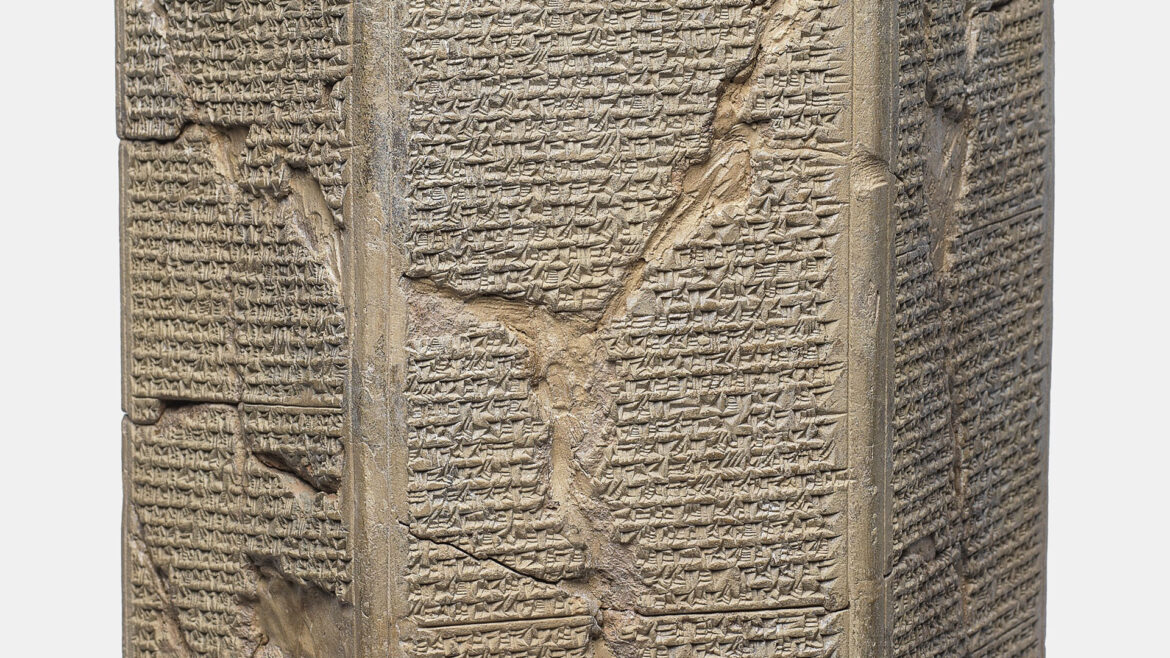
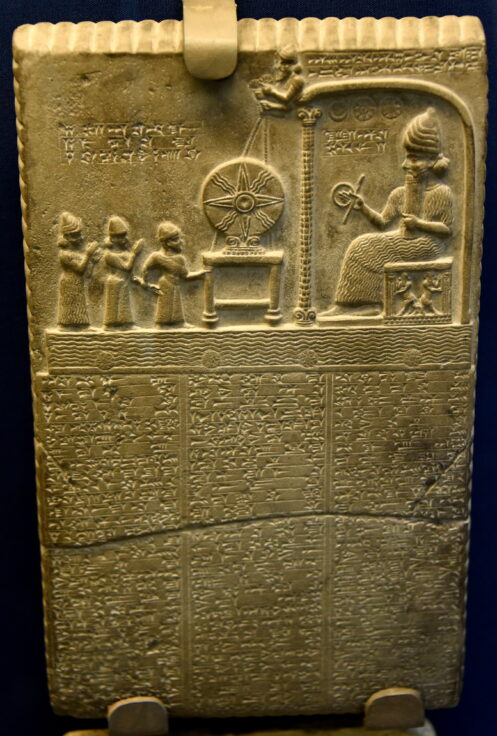
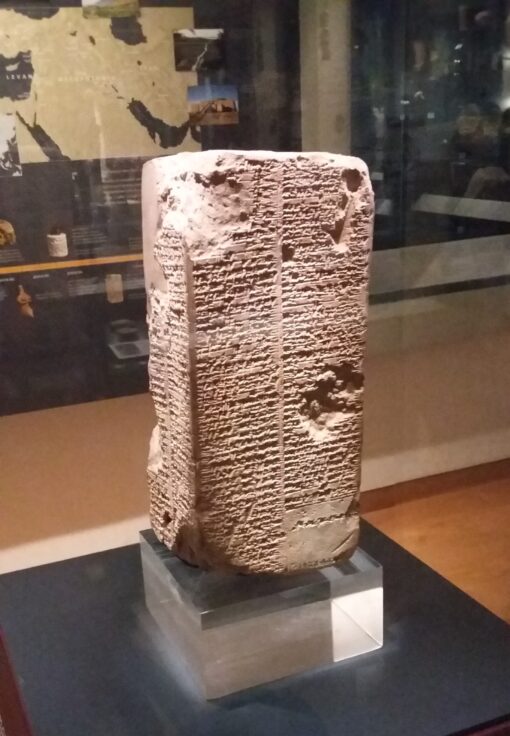
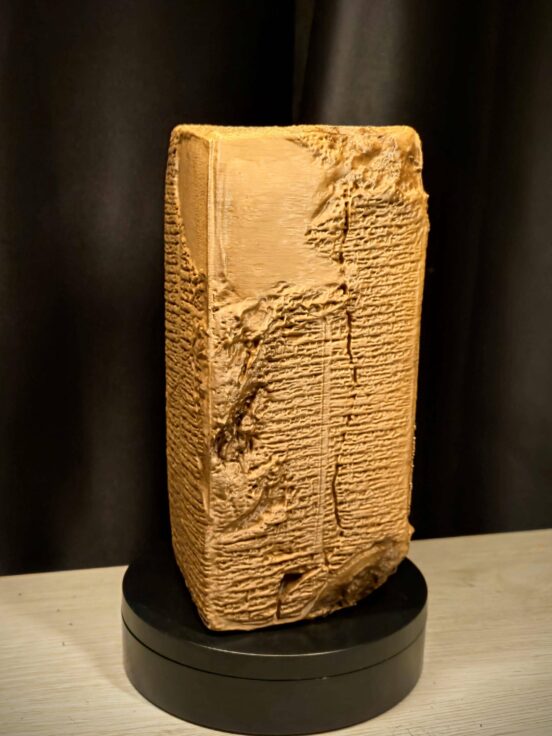
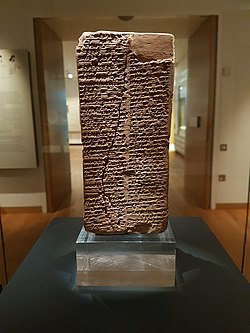
The Sumerian King List is an archeological find that was duplicated in cuneiform writing upon multiple clay tablets, with most famously recognized… the Weld-Blundell Prism.
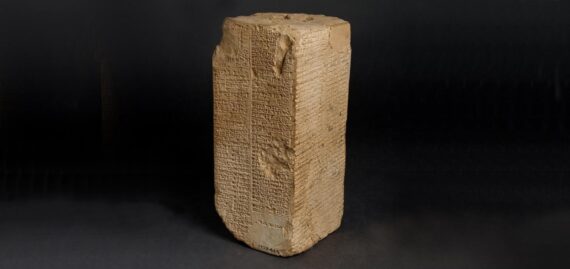
Literally re-writing the modern interpretation of human history as more than legend passed through word of mouth alone…

It is a cuneiform-inscribed text, physically preserved on artifacts such as the Weld-Blundell Prism, housed today in the Ashmolean Museum.
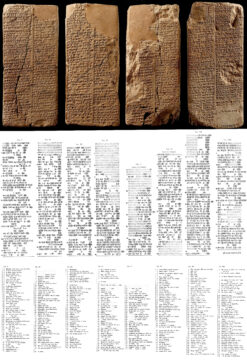
This ancient record lists:

  • Cities of early Mesopotamia

  • Sequences of kings

  • Lengths of reigns

  • The transfer of kingship from one city to another

And as you begin to take that in… you may naturally feel a sense of grounding…

Because this is actually a recorded account…

It’s written. Preserved. Studied. Displayed.
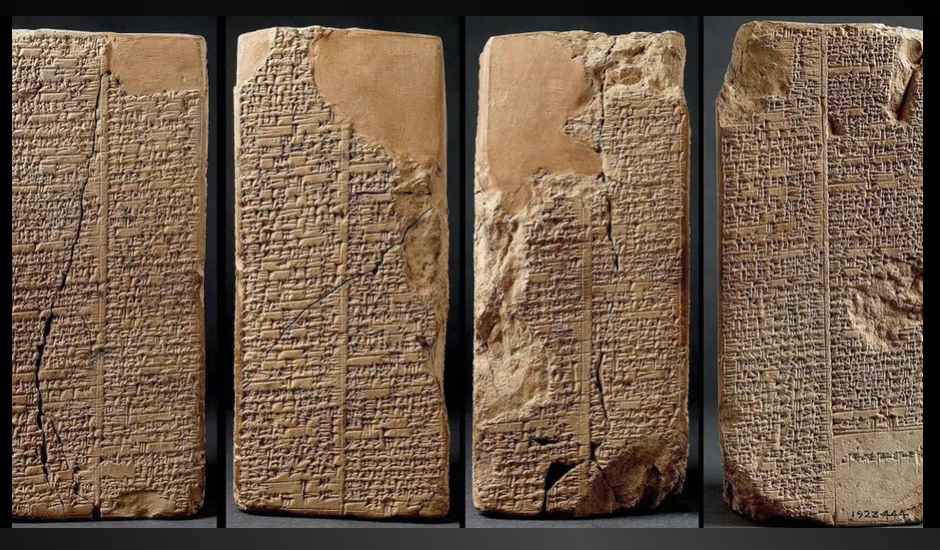
As you continue exploring—you’ll start to see how this connects to real places…

Why Kish Matters in the Ancient World

What if one of the earliest centers of kingship wasn’t just a name — but a real place you could stand in?

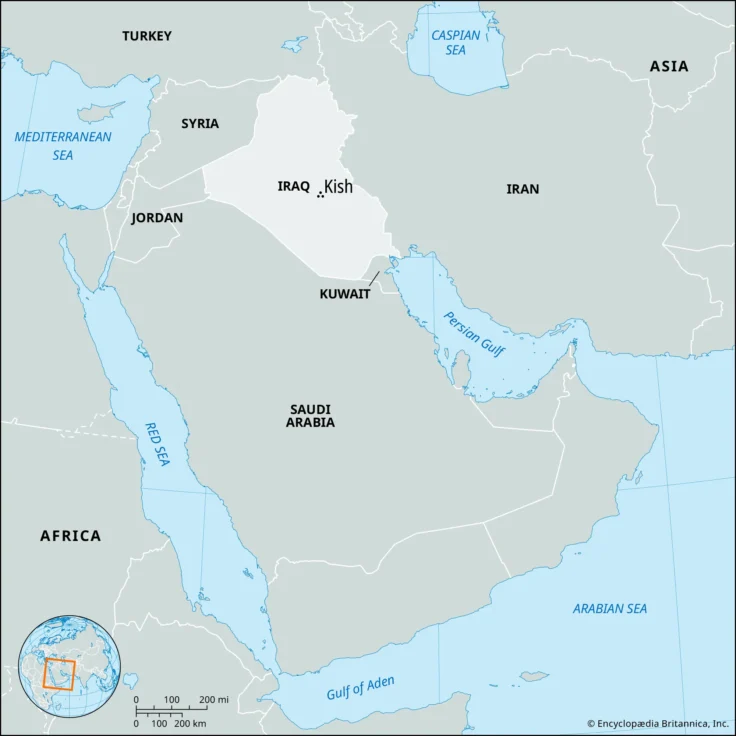
According to the King List, after a great flood narrative, kingship was established in Kish.

And what becomes quietly fascinating…
Is that Kish is actually completely real.

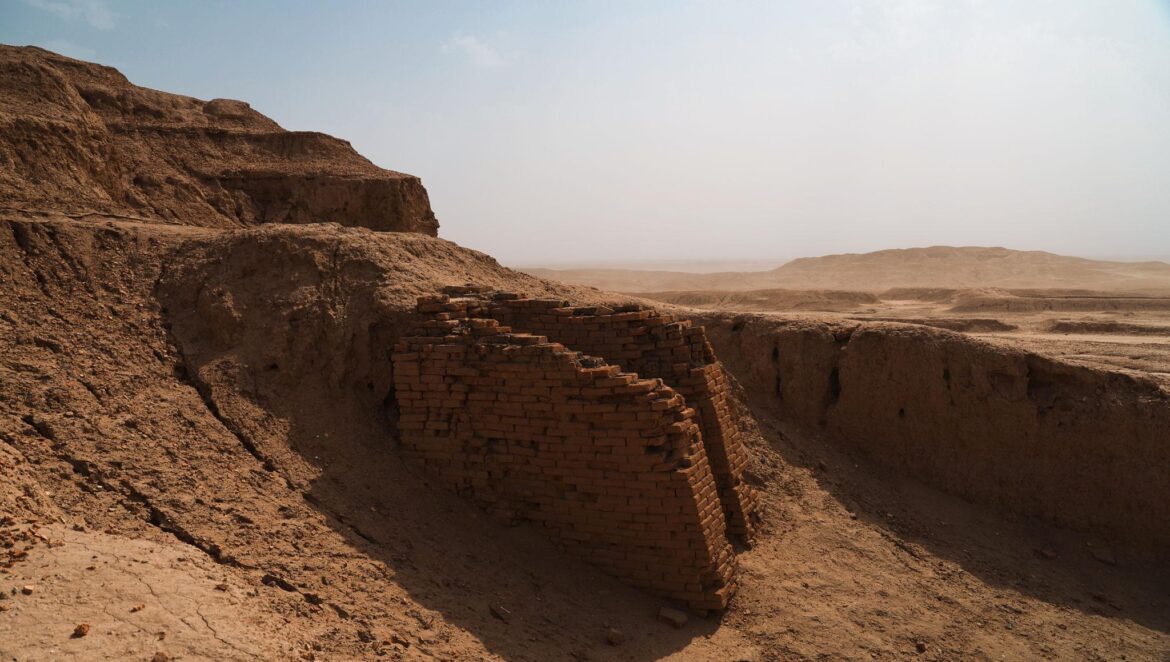
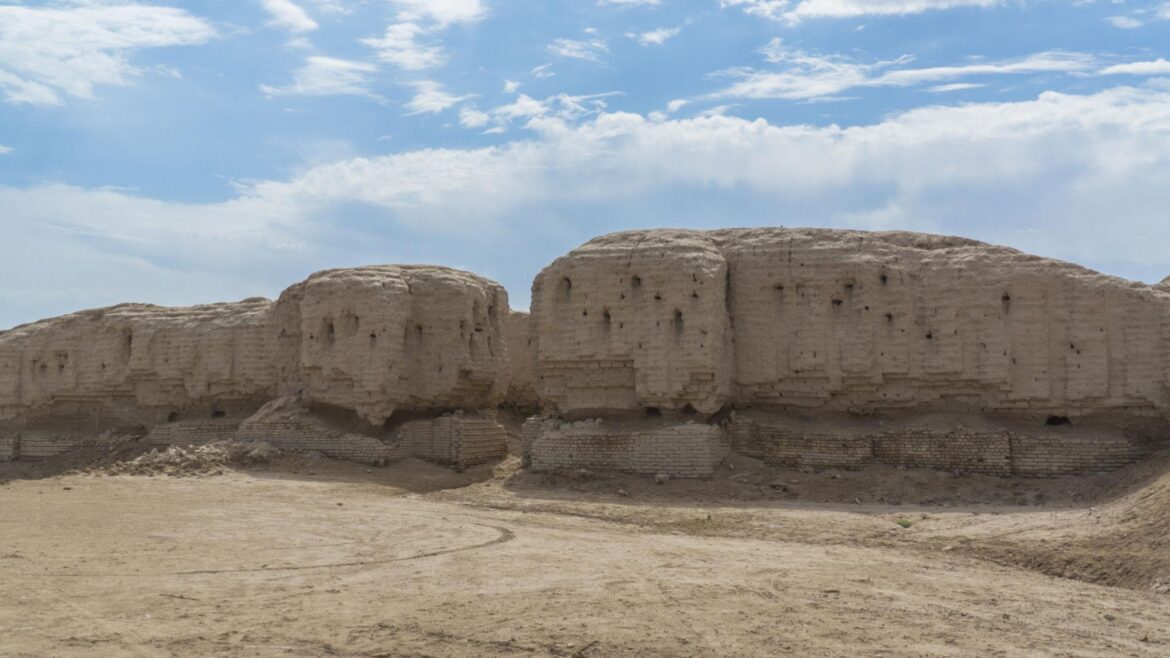
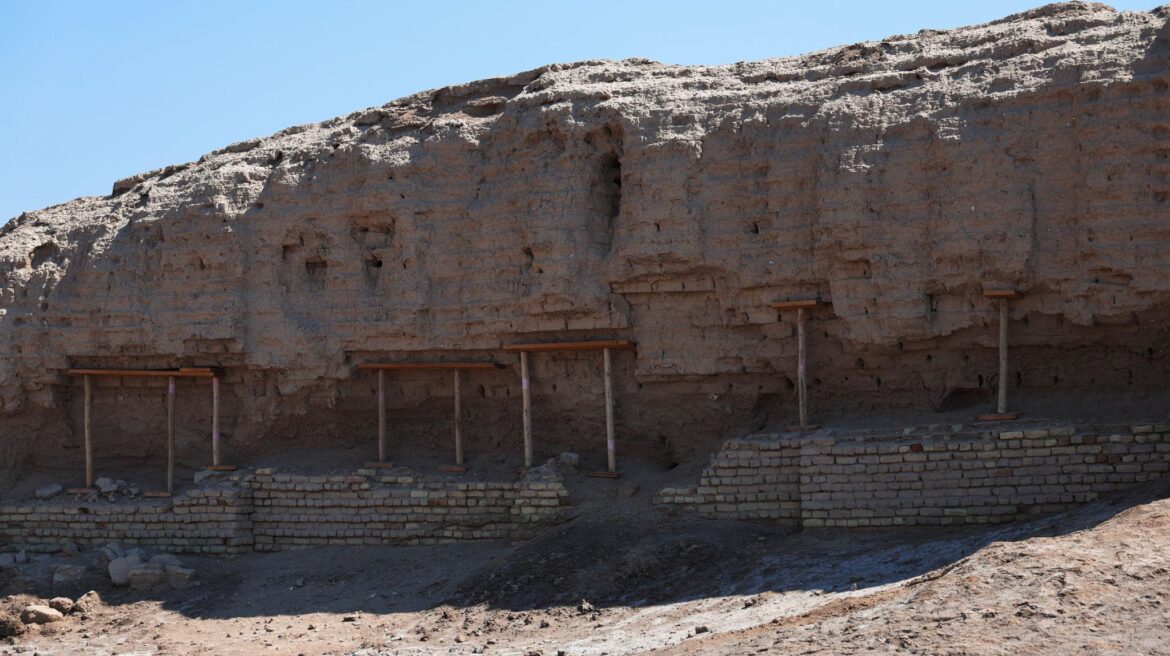
It is a documented archaeological site, studied through excavations and identified as one of the earliest major urban centers of Mesopotamia.
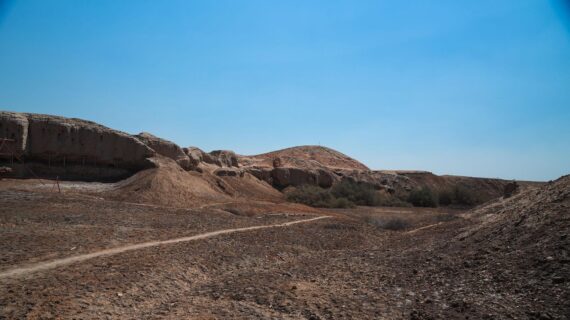
You may begin to notice how this obviously changes the perspective…

This is where written record and physical discovery begin to overlap.

And in that overlap… clarity forms.
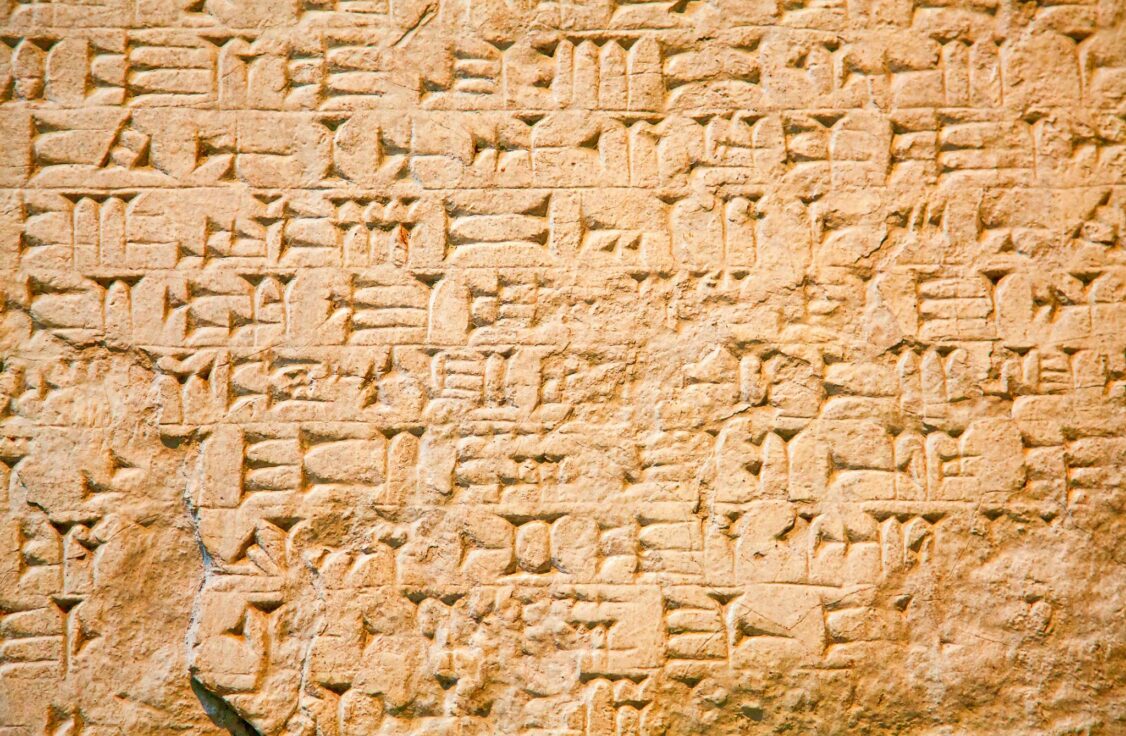
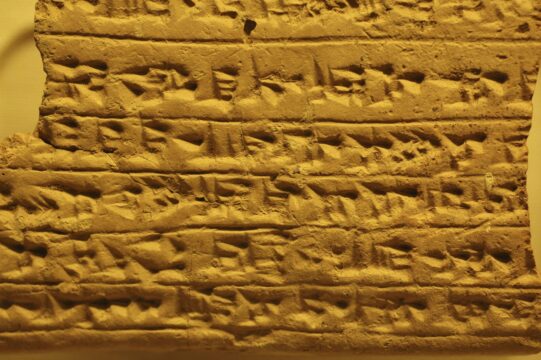
The Marks That Preserved a Civilization

Before simple paper… before the ink… there was clay.

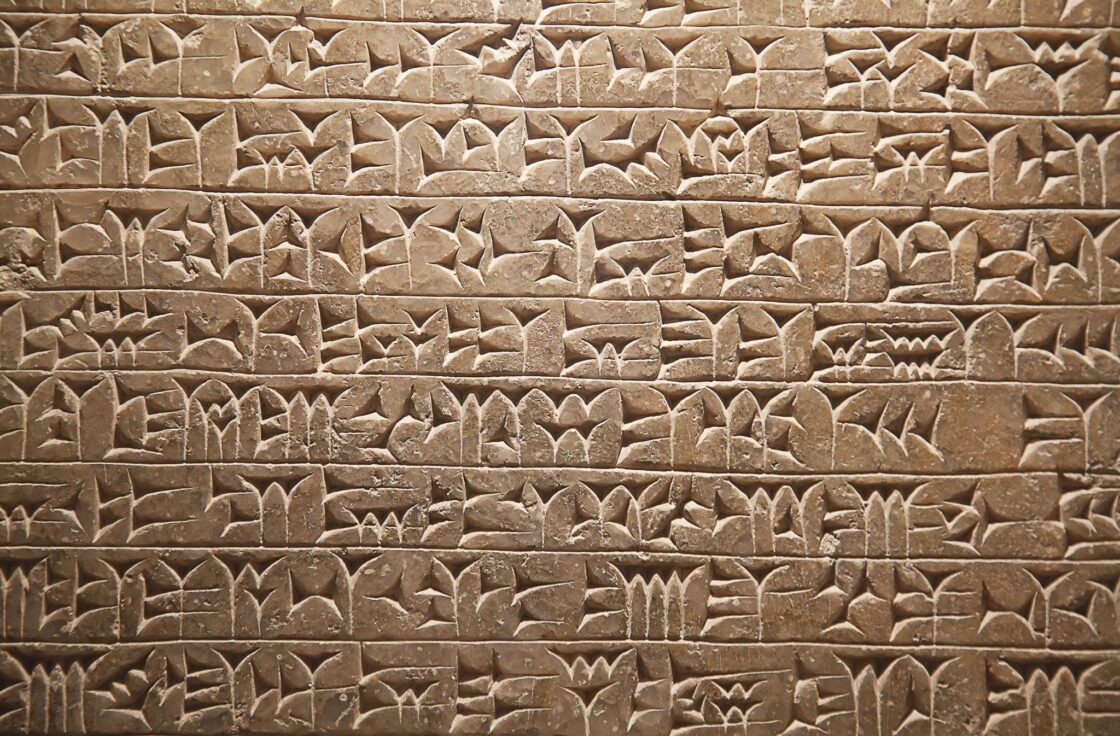
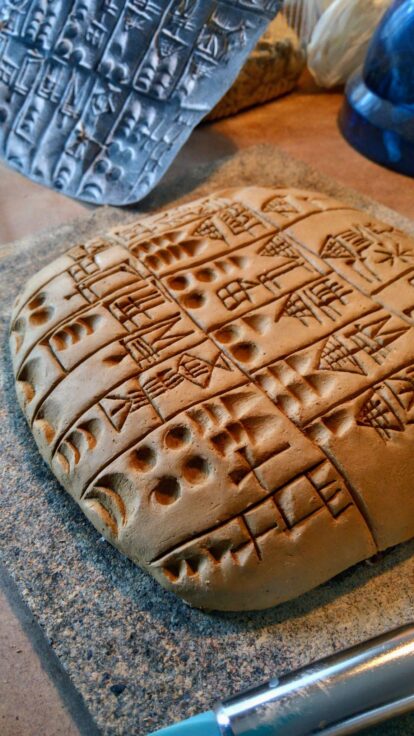
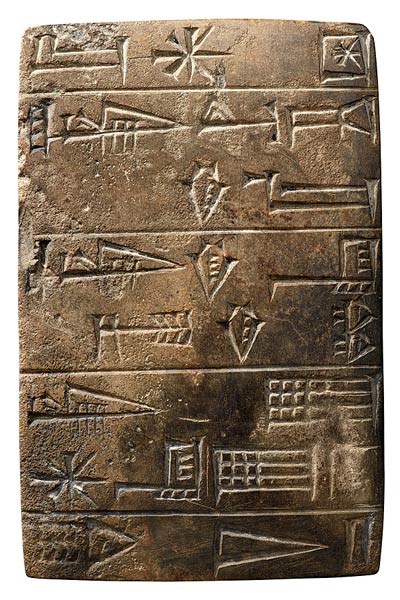
Cuneiform — one of the earliest known writing systems — was created by pressing wedge-shaped symbols into soft clay tablets. 

Literally records written in stone if you will.

Simple. Durable. Permanent.

And as you picture that process…
You might start to appreciate something deeper…

These were specific markings.
They were decisions about what mattered enough to remember.

Cuneiform was used for:

  • Kingship records
  • Laws and administration
  • Trade and communication
  • Sacred stories and cosmology

And the moment you realize this…
It becomes clear why texts like the King List still exist today.

Understand the Writing System
Wisdom, Creation, and the Divine Order

As you explore deeper… you’re realizing that these records actually existed, and they were used more as modern leaflets. They were specifically duplicated and dispersed.

Being shared everywhere, they became part of a much larger worldview.

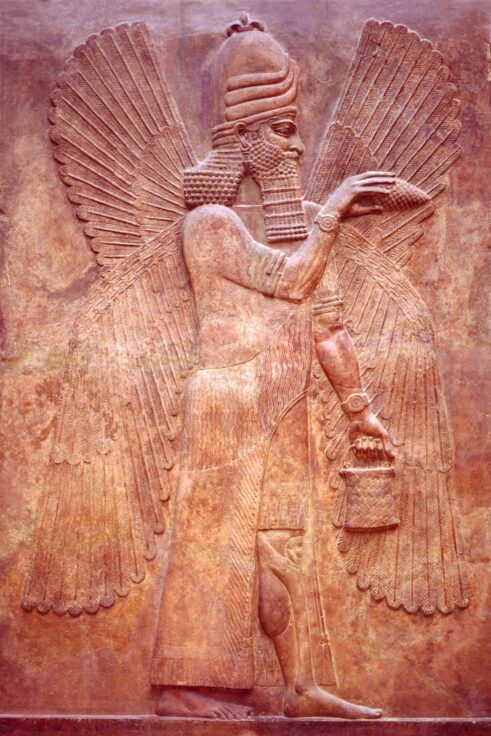
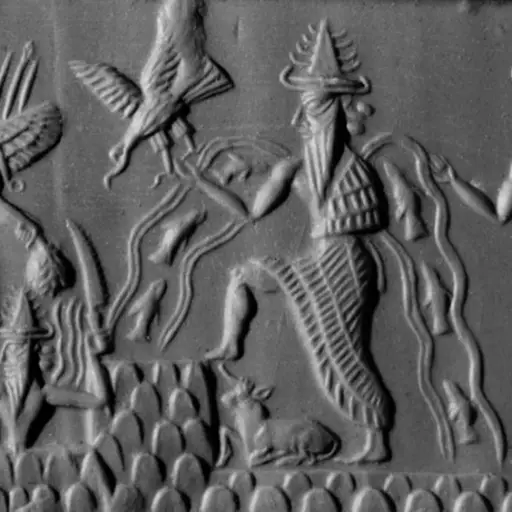
Within that world, figures like Enki appear — associated with:

  • Wisdom
  • Water (the Abzu)
  • Creation and intelligence
  • Order within chaos

Alongside him are the Anunnaki, a class of deities woven throughout Sumerian texts.

And what becomes important to understand is this:

These names are historical data.

They are textually attested within ancient Mesopotamian literature.

You may find yourself naturally curious now…

Not simply because of more information… But because of how consistent the recorded information is.

Explore the Sacred Context

Understanding the Balance of Ancient Records

Have you ever noticed how the most meaningful stories often carry both structure… and depth?

The Sumerian King List reflects that same balance.

Some reigns appear extended beyond modern expectations.

Others move closer to figures recognized through archaeology.

One such figure is Enmebaragesi, widely regarded as one of the earliest historically attested rulers in Mesopotamia.

And as you take that in… something becomes clear:

This text is not simply symbolic.
And it is not purely chronological.

It is a mythic-historical document—a preserved perspective of how an ancient civilization understood leadership, legitimacy, and continuity.

And once you see it that way…
It begins to make sense.

See How Scholars Interpret It

Continue Exploring with Trusted Sources

As your curiosity continues to expand, you may find it helpful to explore these additional resources:

A Record That Still Speaks

There’s something quietly powerful about knowing that…

Across thousands of years, through shifting civilization, across languages, cultures, and time itself…

These records remained.

And as you reflect on what you’ve seen here, you may begin to feel a deeper appreciation for the continuity of human awareness.

The desire to record…
To understand…
To pass something meaningful forward.

And when your readiness is now,

Continue Your Journey Through Ancient Wisdom

Scroll to Top