
Hebrew Bible and the Christian Old Testament
The Book of Genesis

Book of Genesis
The Book of Genesis is the opening book of the Hebrew Bible and the Christian Old Testament. It presents foundational narratives of creation, human origins, early civilization, and the ancestral history of Israel. Its theological and literary influence extends across Judaism, Christianity, and Islam.
Key facts
Traditional author: Moses
Language: Biblical Hebrew
Composition date: Circa 10th–5th century BCE (traditional scholarship)
Sections: Primeval history (chapters 1–11) and patriarchal history (chapters 12–50)
Genre: Narrative theology and origin myth
Structure and Themes
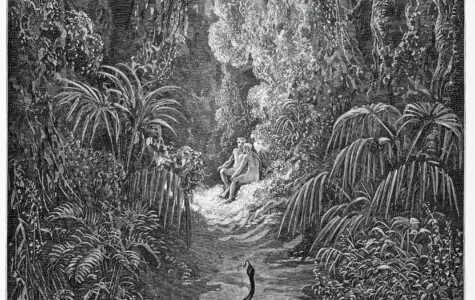
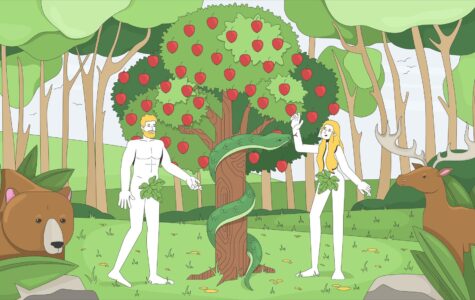
Genesis divides naturally into two broad sections. The primeval history (Genesis 1–11) recounts the Creation, Adam and Eve, the Fall, Cain and Abel, the Flood, and the Tower of Babel. The patriarchal history (Genesis 12–50) focuses on the lives of Abraham, Isaac, Jacob, and Joseph, establishing the covenantal roots of Israel’s identity. Key themes include divine creation, human disobedience, promise, covenant, and redemption.
Authorship and Composition
Jewish and Christian traditions attribute Genesis to Moses, but modern scholarship identifies it as a composite text compiled from multiple sources (often termed J, E, P, and D). These traditions were woven together during and after the Babylonian exile to articulate Israel’s origins and relationship with God.
Influence and Interpretation
Genesis underlies much of Western thought about creation, morality, and human purpose. Its narratives have inspired theology, art, and literature—from Paradise Lost to modern interpretations of creation and environmental ethics. The book’s portrayal of covenant and faith continues to shape religious understanding and moral discourse.
In Religious Tradition
In Judaism, Genesis is the first of the Torah’s five books; in Christianity, it forms the start of the Pentateuch. Both traditions read it as revealing divine purpose and human responsibility, while Islam references many of its figures—such as Adam, Noah, Abraham, and Joseph—in the Qur’an.